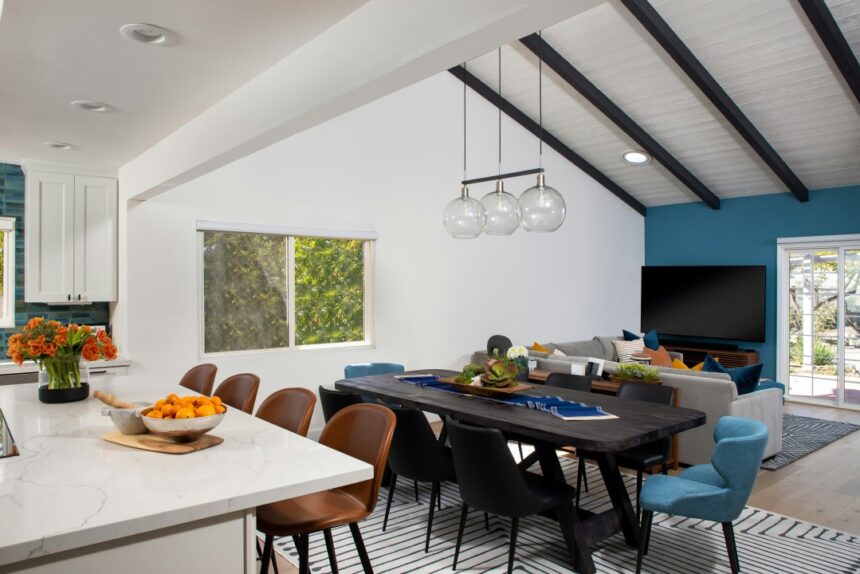
A home remodel can transform an outdated or inefficient space into a home that better fits your lifestyle. Whether you’re updating a kitchen, renovating a bathroom, finishing a basement, or expanding your living space, successful home remodeling requires more than choosing attractive finishes. Careful planning, realistic budgeting, quality materials, and the right remodeling team can make a significant difference in the final result.
If you’re preparing for a remodeling project, these seven essential tips can help you move from the initial idea to a finished space with greater confidence.
1. Define Your Remodeling Goals
Before selecting materials or discussing floor plans, determine exactly what you want your remodel to accomplish.
Are you looking for more storage? Better functionality? Additional living space? A modern aesthetic? Improved energy efficiency? Or are you preparing your home for future resale?
Start by making a list of your priorities. Separate your needs from your wants so you know which features are essential if your budget or project scope changes.
For example, a kitchen remodel might focus primarily on improving workflow and storage, while a basement renovation could prioritize creating a comfortable family room, home office, or guest area.
Having clear goals helps guide every decision that follows.
2. Establish a Realistic Budget
One of the most important parts of home remodeling is creating a realistic budget before construction begins.
Your budget should account for more than materials and labor. Depending on the project, you may also need to consider:
- Design and planning costs
- Permits
- Demolition
- Structural modifications
- Plumbing and electrical work
- Fixtures and finishes
- Appliances
- Waste removal
- Unexpected repairs
It’s also wise to maintain a contingency fund for unforeseen conditions. Older homes, in particular, can reveal issues behind walls or beneath floors once construction begins.
A detailed budget gives you a clearer idea of which improvements are realistic and helps prevent costly surprises.
3. Create a Detailed Project Plan
Good planning can help keep your remodeling project organized from beginning to end.
Work with your remodeling professional to establish the project scope, expected timeline, major milestones, material selections, and construction sequence.
Think about how the remodel will affect your daily routine. If you’re renovating your only kitchen, for example, you’ll need a temporary plan for preparing meals. If you’re remodeling a bathroom, determine whether another bathroom will remain accessible.
A detailed plan doesn’t eliminate every potential delay, but it can make the process easier to manage and reduce unnecessary confusion.
4. Choose the Right Remodeling Contractor
The remodeling team you choose can have a major impact on your experience and the quality of the finished project.
Look for a contractor with relevant experience, strong communication practices, appropriate licensing or credentials where required, and a portfolio that reflects the type of work you’re planning.
Don’t simply choose a contractor based on the lowest estimate. Compare what each proposal includes, including materials, labor, project management, design services, and potential exclusions.
A qualified remodeling contractor should also be willing to explain the construction process and answer questions about your project.
For larger projects, a design-build approach can provide another option by bringing design and construction services together under one coordinated process.
5. Prioritize Function Before Appearance
Beautiful design is important, but a successful remodel should work well for the people who use the space every day.
Think about traffic flow, storage, lighting, accessibility, furniture placement, and how the room connects to other areas of your home.
In a kitchen, for example, consider how you move between the refrigerator, sink, cooking area, and storage. In a family room, think about comfortable seating, lighting, entertainment, and pathways through the space.
Once functionality is established, finishes, colors, textures, and decorative details can enhance the design.
The best remodeling projects combine aesthetics with practical everyday use.
6. Select Quality Materials Carefully
Choosing materials based solely on appearance or price can create problems later.
Instead, consider durability, maintenance requirements, performance, and how well each material suits the space.
High-traffic areas may benefit from durable flooring and surfaces that can withstand daily use. Kitchens and bathrooms require materials that can handle moisture and frequent cleaning. Exterior remodeling projects need materials designed to withstand local weather conditions.
This doesn’t mean every component needs to be the most expensive option. The goal is to invest strategically in quality where it matters most.
Your remodeling professional can help you compare materials based on performance, appearance, maintenance, and budget.
7. Stay Flexible Throughout the Process
Even a carefully planned remodel can encounter unexpected challenges.
A material may become unavailable, an existing condition may require additional work, or a construction detail may need to be adjusted. Staying flexible can help you work through these situations without losing sight of your overall goals.
At the same time, avoid making unnecessary changes once construction is underway. Significant changes can affect the budget, timeline, and other parts of the project.
Keep communication open with your remodeling team and address questions as soon as they arise.
Consider How Your Remodel Fits Your Home
A successful remodel should feel like a natural extension of your existing home.
Consider the architectural style, proportions, materials, and layout of your property when planning major improvements. This is particularly important for additions and exterior projects.
For example, a new family room addition should connect naturally with the existing floor plan, while an exterior update should complement the home’s architecture rather than appear disconnected.
Thoughtful integration can improve both functionality and the overall appearance of the property.
Think About Long-Term Value
While your remodel should primarily meet your current needs, it’s worth considering how the improvements may perform over time.
Flexible spaces, practical storage, durable materials, efficient layouts, and timeless design choices can help your investment remain useful for years.
Avoid designing entirely around short-lived trends if you expect to stay in your home for a long time. You can incorporate current styles through elements that are easier and less expensive to update, such as paint, lighting, hardware, and décor.
Make Home Remodeling a Collaborative Process
The best remodeling experiences often come from strong collaboration between homeowners, designers, contractors, and other professionals.
Be clear about your priorities and budget. Ask questions when something is unclear. Review plans and selections carefully, and maintain open communication throughout construction.
Your remodeling team brings technical knowledge and construction experience, while you provide insight into how your household uses the home. Combining both perspectives can lead to a space that is attractive, functional, and personalized.
Final Thoughts
A successful home remodeling project starts long before construction begins. Defining your goals, setting a realistic budget, creating a detailed plan, choosing the right contractor, prioritizing functionality, selecting quality materials, and staying flexible can help create a smoother remodeling experience.
Whether you’re planning a kitchen renovation, bathroom remodel, basement transformation, home addition, or whole-home update, thoughtful preparation can turn your ideas into a finished space that works beautifully for your lifestyle.
With the right plan and an experienced remodeling team, your next home remodel can be more than an update—it can be a meaningful transformation of the way you live in your home.