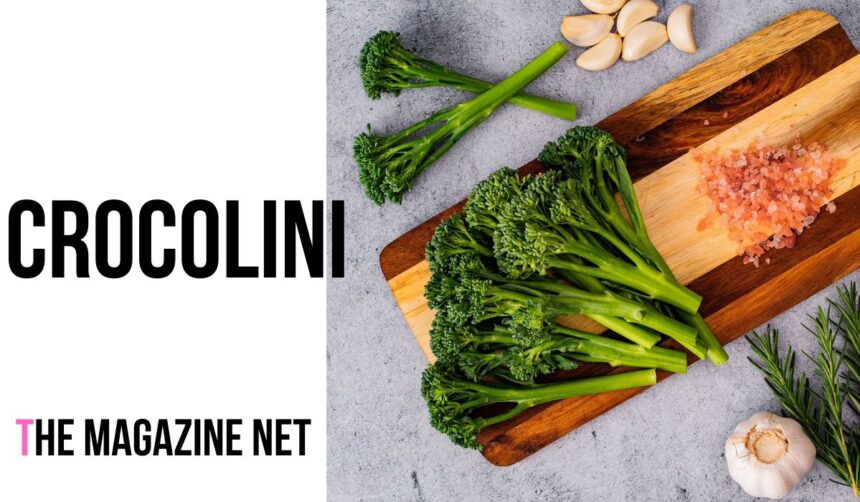
Crocolini and broccoli may look like close relatives on a dinner plate, but they are not always used in the same way. Broccoli is the familiar green vegetable with a thick stem and tight florets, while Crocolini is usually described as a tender, long-stemmed green with smaller tops and a milder bite. Many shoppers notice Crocolini beside broccoli, broccolini, baby broccoli, or tenderstem-style greens and wonder if it is simply a smaller broccoli or a different choice altogether. The answer matters because taste, texture, cooking time, meal use, and even shopping value can change a lot between the two. Once you understand those differences, it becomes easier to choose the right green for a quick weeknight meal, a fresh side dish, or a more filling family recipe.
What Is Crocolini?
Crocolini is often presented as a tender green vegetable with slim stems, small florets, and a gentle flavor. It is commonly compared with broccolini or tenderstem broccoli because the whole stem is usually soft enough to eat, and the tops are smaller than the large crowns found on standard broccoli. For home cooks, the main appeal is ease. You do not need much trimming, peeling, or chopping before cooking it. A quick rinse, a light trim at the base, and a few minutes in a hot pan can be enough to make it ready for the table. This makes it useful for people who want vegetables that feel fresh and special without adding much extra work.
What Is Broccoli?
Broccoli is a well-known cruciferous vegetable from the same broad plant family as cauliflower, cabbage, kale, and Brussels sprouts. It has a large green head made of tight flower buds, a firm central stalk, and smaller branches that hold the florets. Many people use only the top part, but the stem is edible too when peeled and sliced. Broccoli has been a common vegetable in home cooking for a long time because it is easy to find, affordable in many places, and flexible enough for soups, stir-fries, pasta, salads, casseroles, roasted trays, and simple steamed side dishes. It also works for both fresh and frozen meals, which is one reason it remains a common choice in busy kitchens.
Main Appearance Differences
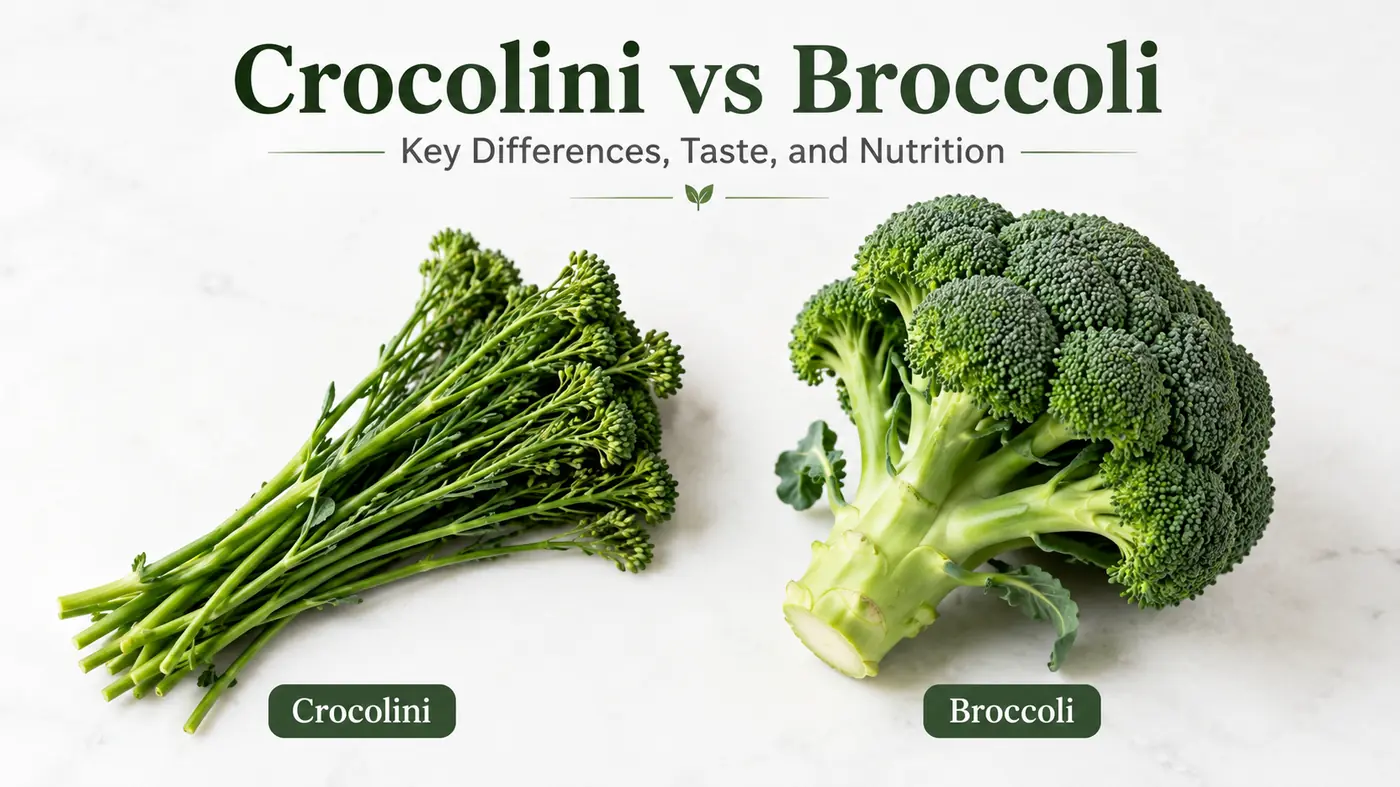
The easiest way to tell Crocolini and broccoli apart is by shape. Crocolini usually has long, thin stems with small loose florets at the top. The stems look elegant, and the vegetable often needs very little cutting before cooking. Broccoli has a heavier crown, thicker stalk, and denser florets. It looks more compact and sturdy. In a dish, Crocolini gives a lighter, more restaurant-style look, while broccoli gives a fuller, more classic vegetable portion. This visual difference also affects how each one cooks, because thin stems soften faster than thick stalks. It also affects serving style. Crocolini can be plated whole, while broccoli is often broken into florets or chopped into bite-size pieces.
Taste and Texture
Taste is one of the biggest reasons people compare Crocolini with broccoli. Crocolini is usually mild, slightly sweet, and tender, with a light green flavor that works well with olive oil, garlic, lemon, butter, chili flakes, sesame oil, or simple salt and pepper. Broccoli has a stronger earthy taste and can have a slight bitter edge, especially when overcooked. Its florets hold sauces well, while its stem has a firm crunch when cooked correctly. If you like gentle greens, Crocolini may feel easier to enjoy. If you want a stronger vegetable flavor, broccoli may be more satisfying. Texture also matters for children and picky eaters, because a softer stem can feel less harsh than a thick broccoli stalk.
Nutrition Overview
Both vegetables can fit well into a balanced diet. Broccoli is known for vitamin C, vitamin K, folate, fiber, and natural plant compounds found in cruciferous vegetables. Crocolini is also valued as a green vegetable that can offer vitamins, minerals, and fiber, especially because people often eat the full stem and florets together. The exact nutrition can vary by growing conditions, freshness, serving size, and cooking method, so it is best to see them as close but not identical. In simple terms, broccoli is a reliable everyday nutrient-rich vegetable, while Crocolini can be a tender alternative that helps add variety to meals. Eating a range of green vegetables is often better than relying on only one.
Calories, Fiber, and Fullness
For people planning lighter meals, both choices are useful because they are vegetable-based, low in fat, and easy to pair with lean proteins, grains, beans, eggs, tofu, fish, or chicken. Broccoli often stands out for fiber, which can help a meal feel more filling. Its thicker structure can also make it feel heartier on the plate. Crocolini may feel lighter because of its slimmer stems and softer texture, but it can still add bulk and freshness to a meal. The best choice depends on what you are cooking, how hungry you are, and whether you want a crisp bite or a softer side. For a lunch bowl, Crocolini can feel fresh and neat. For a dinner tray bake, broccoli may feel more filling.
Cooking Differences
Crocolini usually cooks faster than broccoli because the stems are thinner and the florets are smaller. It is well suited to quick methods such as sautéing, grilling, roasting, steaming, or adding to a stir-fry near the end. Broccoli can handle longer cooking, but it still tastes best when it stays bright green and slightly firm. Overcooked broccoli can turn dull, soft, and sulfur-like in smell. A helpful rule is to cook Crocolini quickly over medium-high heat, while broccoli often benefits from being cut into even pieces so the stems and tops finish at the same time. For both vegetables, gentle cooking helps protect color, texture, and fresh flavor.
Best Uses in Everyday Meals
Crocolini works well when you want a clean, simple side dish that looks fresh and feels light. It can be served beside grilled fish, roasted chicken, rice bowls, noodles, steak, pasta, omelets, or plant-based bowls. Broccoli is better when you need a stronger vegetable that can hold up in creamy sauces, cheese bakes, soups, thick stir-fries, roasted sheet-pan meals, and meal prep containers. Quick guide: • choose Crocolini for fast cooking, tender stems, and a mild taste • choose broccoli for hearty texture, easy storage, and stronger flavor • use either one when you want a green vegetable with good everyday nutrition. If you cook often, keeping broccoli for daily meals and Crocolini for quick fresh sides can be a smart mix.
Flavor Pairings and Seasoning
Crocolini works best with light seasoning because its mild taste can be covered easily. A little lemon, garlic, olive oil, chili, toasted nuts, or a small sprinkle of cheese can make it feel bright without making it heavy. Broccoli can take stronger flavors because its florets and stems are firmer. It pairs well with cheddar, tahini, soy sauce, ginger, roasted garlic, black pepper, mustard, yogurt sauces, and bold spice blends. This is why broccoli often fits comfort food, while Crocolini feels natural in cleaner dishes with simple sauces and fresh toppings.
Storage and Freshness
Freshness makes a big difference with both vegetables. Crocolini should look lively, green, and firm, with stems that are not limp or dry. Broccoli should have tight florets, a firm stalk, and a clean fresh smell. Yellowing, sliminess, and a strong odor are signs that either vegetable is past its best. Store them unwashed in the refrigerator, then wash right before cooking so extra moisture does not speed up spoilage. Because Crocolini is more delicate, it is often best used sooner. Broccoli usually lasts a little longer, especially when kept whole instead of cut into small pieces. If you buy either vegetable for later in the week, plan the most delicate one first.
Price and Availability
Broccoli is usually easier to find around the world. It appears in supermarkets, farm shops, frozen vegetable sections, and local markets across the United States, the United Kingdom, and many other countries. Crocolini may be harder to find depending on your area, and it may cost more because it is often sold as a specialty green. In some stores, similar products may appear under names like broccolini, baby broccoli, tenderstem broccoli, or sweet stem broccoli. If a recipe calls for Crocolini and you cannot find it, one of these tender long-stem greens may give a close result. If none are available, regular broccoli can still work when sliced into smaller, thinner pieces.
Which One Is Better for Health?
There is no need to treat this as a contest. Broccoli and Crocolini can both support a healthy eating pattern when they are cooked in simple ways and served with balanced meals. Broccoli may be the better choice if you want a widely available vegetable with strong nutrition, a filling texture, and a lower price. Crocolini may be better if you want a tender green that cooks quickly and encourages you to eat more of the stem instead of wasting it. The healthiest option is often the one you will enjoy and eat often, without covering it in too much heavy sauce. Small habits matter, and a vegetable you like is easier to keep in your routine.
Common Mistakes to Avoid
One common mistake is assuming Crocolini and broccoli need the same cooking time. They do not. Crocolini can become too soft if treated like thick broccoli stalks, while broccoli can stay too hard if cooked like thin stems. Another mistake is throwing away broccoli stems. The outer layer can be tough, but the inside is sweet and useful when peeled and sliced. It is also easy to over-season both vegetables. Garlic, lemon, olive oil, black pepper, soy sauce, parmesan, or a small amount of butter can bring out their flavor without hiding the natural taste. The goal is to support the vegetable, not bury it.
Final Thoughts
Crocolini vs broccoli is really a choice between tender and hearty. Crocolini brings slim stems, small florets, mild sweetness, and fast cooking. Broccoli brings dense florets, a firm stalk, stronger flavor, and broad everyday use. Both can be delicious when cooked with care, and both can help make meals greener, fresher, and more balanced. If you are new to Crocolini, try it in a simple pan with olive oil, garlic, and lemon. If you already love broccoli, keep using it in roasted dishes, soups, stir-fries, and quick sides. The best kitchen choice is not always one or the other; it is knowing when each one fits the meal. With that in mind, you can use both vegetables with more confidence and less waste.
Frequently Asked Questions (FAQs)
Is Crocolini the same as broccoli?
No, Crocolini is not the same as standard broccoli. It is usually described as a tender long-stem green with smaller florets, while broccoli has a thicker stalk and a larger, denser head.
What does Crocolini taste like?
Crocolini usually tastes mild, fresh, and slightly sweet. It is less bold than broccoli, which can have a stronger earthy taste and a light bitter note when cooked too long.
Can I use broccoli instead of Crocolini?
Yes, broccoli can often replace Crocolini, but you may need to cut it smaller and cook it a little longer. The final dish will taste stronger and feel heartier because broccoli has denser florets and thicker stems.
Is Crocolini healthier than broccoli?
Crocolini and broccoli can both be healthy choices. Broccoli is especially known for fiber, vitamin C, vitamin K, and folate, while Crocolini is useful because its tender stems make it easy to eat more of the whole vegetable.
How should I cook Crocolini?
Crocolini tastes best with quick cooking methods such as sautéing, steaming, roasting, or grilling. Keep the cooking time short so the stems stay tender and the tops do not become too soft.
Which is better for meal prep?
Broccoli is usually better for meal prep because it is sturdier and often keeps its texture longer after cooking. Crocolini is best for fresh meals or quick sides because its thin stems are more delicate.
You might also like: JupiterQQ Guide