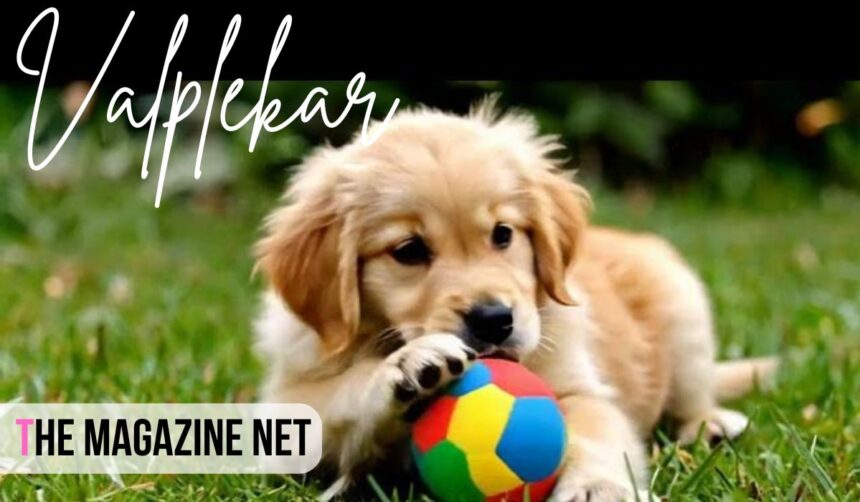
Valplekar is a Swedish term that can be understood as “puppy play,” and it describes the games, activities, and playful learning moments that help a young dog grow with confidence. For beginners, the idea may sound simple: a puppy runs, bites toys, chases, rolls, and enjoys attention. But good play is more than fun. It teaches a puppy how to use its body, understand people, build trust, release energy, and learn basic manners in a natural way.
What Is Valplekar?
Valplekar is about safe, guided play between a puppy and its owner, as well as calm play with toys, people, and sometimes other friendly dogs. Puppies explore the world through their mouths, paws, nose, ears, and eyes, so play becomes one of their first learning tools. A short game with a soft toy can teach focus. A gentle chase game can build confidence. A calm search game can help a puppy use its nose and brain instead of only running around.
Why Puppy Play Matters
Play helps puppies develop important life skills. During Valplekar, a puppy learns how hard is too hard when using its mouth, how to follow simple signals, and how to stop when a game ends. These lessons are easier to teach through play because the puppy is happy, curious, and ready to interact. When play is handled well, it can reduce unwanted chewing, jumping, barking from boredom, and rough behavior caused by too much unused energy.
Building Trust Through Play
One of the biggest benefits of Valplekar is the bond it creates between a puppy and its owner. A puppy that enjoys safe play with you starts to see you as a source of comfort, fun, and guidance. This makes later training easier because the puppy wants to pay attention. Trust grows when games are fair, gentle, and predictable. A puppy should never feel scared, trapped, teased, or forced during play.
Safe Games for Beginners
Beginners should start with simple games that match the puppy’s age, size, and confidence level. Soft tug, gentle fetch, hide-and-seek with treats, name response games, and toy swaps are good choices. The goal is not to make the puppy tired at any cost. The goal is to give the puppy healthy movement, mental activity, and clear limits. A few short sessions each day are usually better than one long, wild session.
Choosing the Right Toys
Good toys make Valplekar safer and more useful. Soft toys are helpful for young mouths, while chew toys can support teething when chosen carefully. Puzzle toys can keep a puppy busy and encourage problem-solving. Avoid toys that are too small, too hard, or easy to break into sharp pieces. A toy should fit the puppy’s mouth but should not be small enough to swallow.
A Simple Play Routine
A healthy play routine should include movement, thinking, and rest. For example, you can begin with a calm toy game, move into a short training moment, and finish with a gentle chew or nap time. A simple routine may include: short tug play, two minutes of name practice, a small treat search, calm praise, and a clear ending cue such as “all done.” This helps the puppy understand that play has a beginning and an end.
Teaching Bite Control
Many puppies bite during play because they are learning how their mouths work. This is normal, but it still needs guidance. If a puppy bites skin too hard, stop the game calmly for a moment. Do not shout or punish harshly, because that can make the puppy nervous or more excited. Instead, offer a toy, reward gentle play, and pause when teeth touch hands too often. Over time, the puppy learns that soft behavior keeps the game going.
Avoiding Overexcitement
Valplekar should not turn every puppy into a spinning ball of energy. Some puppies become too excited and start jumping, barking, biting clothes, or ignoring people. When this happens, the game is no longer helping. Slow things down. Lower your voice, remove the toy for a short break, and give the puppy something calm to do. Many behavior problems come from play that continues too long after the puppy is already tired.
Social Play With Other Dogs
Puppies can learn a lot from safe dog-to-dog play, but it must be watched closely. Not every adult dog enjoys puppies, and not every puppy plays politely. Good social play includes breaks, loose body movement, taking turns, and both dogs returning happily to the game. If one puppy hides, freezes, cries, or keeps trying to escape, the play should stop. Safe social time is about learning, not forcing a puppy to “toughen up.”
Indoor and Outdoor Play
Indoor Valplekar is useful for rainy days, apartments, and quiet training moments. Search games, gentle tug, soft toy play, and basic command practice work well inside. Outdoor play gives a puppy more space, fresh smells, and new sounds, but it also needs more control. Use safe areas, avoid slippery surfaces, and do not push young puppies into heavy jumping or long running because their bodies are still developing.
Common Mistakes to Avoid
Many new owners make play too rough, too long, or too random. They may let a puppy bite hands because it seems cute at first, then struggle when the habit grows stronger. Others use play only to tire the puppy out, without teaching calm behavior. Valplekar works best when it is fun but guided. The puppy should enjoy the game while also learning patience, gentle mouth use, and attention.
How Valplekar Supports Training
Play can make training feel natural. A puppy that learns to sit before a toy is thrown starts to connect calm behavior with good things. A puppy that comes when called during hide-and-seek learns that listening is rewarding. These small lessons build a strong foundation for later skills like walking politely, waiting at doors, and coming back outdoors. Training does not always need to feel formal; it can be part of daily play.
Final Thoughts
Valplekar is one of the easiest and most enjoyable ways to help a puppy grow into a confident, polite, and happy dog. It gives young dogs a safe way to explore the world, use their energy, and understand the people around them. The best approach is simple: keep games short, safe, gentle, and clear. When play includes trust, structure, and rest, it becomes more than entertainment. It becomes a daily path toward better behavior and a stronger bond.
Frequently Asked Questions (FAQs)
What does Valplekar mean?
Valplekar means puppy play. It refers to fun and useful activities that help puppies learn, grow, build trust, and develop better behavior through safe interaction.
Is Valplekar good for all puppies?
Yes, but the type of play should match the puppy’s age, size, health, and personality. A shy puppy may need calm games, while an energetic puppy may need structured play with clear breaks.
How long should puppy play sessions last?
Short sessions are usually best. Many puppies do well with 5 to 15 minutes of play at a time, followed by rest, chewing, or quiet time.
Can Valplekar help with biting?
Yes, guided play can help a puppy learn bite control. The key is to stop rough play calmly, offer toys instead of hands, and reward gentle behavior.
What toys are best for Valplekar?
Soft tug toys, safe chew toys, treat puzzles, and light fetch toys are often good options. Choose toys that are safe for the puppy’s size and not easy to swallow or break.
When should I stop a play session?
Stop when the puppy becomes too rough, too tired, or too excited to listen. Ending the game calmly teaches the puppy that play has limits and helps prevent bad habits.
You might also like: What Is Faccccccccccccc?