Managing rental properties involves far more than keeping a booking calendar full. Property managers must coordinate housekeeping, inspections, maintenance, inventory, guest communication, payments, and changing arrival schedules, often across multiple homes. When these responsibilities depend heavily on spreadsheets, individual text messages, and memory, small mistakes can quickly become guest-facing problems. Technology is giving rental operators better ways to organize the moving parts without adding endless administrative work. Automation cannot replace experienced managers, reliable cleaners, or skilled maintenance professionals, but it can make their jobs easier. For rental businesses looking to improve consistency or expand their portfolios, thoughtfully chosen technology can create a more organized foundation for growth.
Bring Housekeeping Into the Digital Workflow
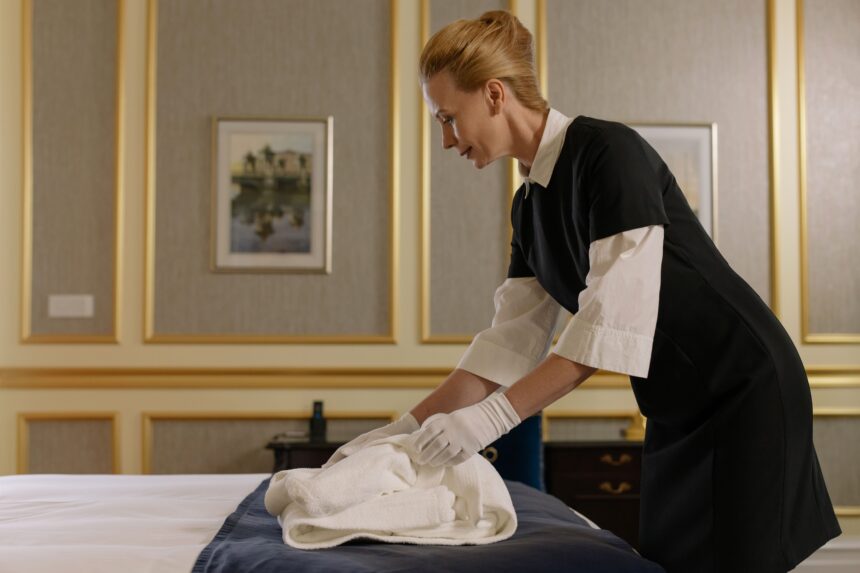
Turnovers are among the most time-sensitive parts of short-term rental management. Once one guest checks out, teams may have only a few hours to clean, restock, inspect, and prepare the property for the next arrival. Coordinating that process manually becomes increasingly difficult as the number of rentals grows.
This is where housekeeper software can connect reservation information with cleaning schedules, staff assignments, inspections, and property status instead of leaving managers to coordinate every update individually.
ResortCleaning provides housekeeping and operational management software for vacation rentals, hotels, timeshares, residential properties, and cleaning businesses. Its platform includes scheduling, PMS integrations, mobile tools, inspections, maintenance coordination, inventory management, invoicing, payroll, and reporting.
Digitizing housekeeping does not make cleanliness automatic. Instead, it creates a clearer system for ensuring that the right people know what needs to be completed and when.
Connect Bookings With Operational Tasks
Every reservation creates a chain of responsibilities.
A departure may require cleaning, linen replacement, inspection, supply replenishment, and occasionally maintenance before another guest arrives. If booking information remains separate from operational systems, managers may repeatedly transfer dates and details between platforms.
Integrations can reduce this duplication.
When booking and property management systems communicate with operational tools, changes to reservations can automatically influence related workflows. A cancellation, modified checkout, or last-minute booking can therefore be reflected without someone manually updating multiple calendars.
That can be particularly valuable during busy periods when several properties are turning over simultaneously.
Managers should still review unusual situations because automation cannot interpret every circumstance perfectly. Technology is most useful when it handles predictable processes while people concentrate on exceptions requiring judgment.
Reducing repetitive data entry also gives managers more time to focus on property standards, owner relationships, guest concerns, and the strategic decisions that actually require their experience.
Give Field Teams Better Mobile Access
Rental property management rarely happens entirely behind a desk.
Cleaners move between homes, maintenance workers travel to different locations, and inspectors may spend much of their day in the field. Requiring these employees to repeatedly call a central office for information wastes time.
Mobile technology can provide important details wherever work is happening.
Housekeepers might need property addresses, schedules, cleaning instructions, access information, and checklists. Inspectors may need a way to document conditions with photographs. Maintenance professionals require accurate descriptions of problems so they can arrive with appropriate equipment.
A well-designed mobile workflow also allows employees to update task status after completing work.
Managers can then see progress without repeatedly messaging individual team members.
This creates an operational record as well. Rather than important information disappearing inside personal text conversations, updates remain connected to the relevant property and task, making them easier to reference later.
Make Property Inspections More Consistent
A finished cleaning does not automatically mean a rental is ready for another guest.
Inspections provide an opportunity to catch overlooked cleaning problems, damaged items, missing supplies, malfunctioning equipment, or other concerns before check-in.
Digital checklists can make these inspections more consistent.
Instead of relying entirely on memory, inspectors can work through property-specific requirements covering kitchens, bathrooms, bedrooms, outdoor areas, appliances, amenities, and safety considerations.
Photographs can add useful documentation when something needs attention. If a chair is damaged or an appliance appears unusual, the inspector can record the condition immediately.
Over time, digital inspection records can reveal recurring issues.
Repeated failures involving the same item may indicate that replacement makes more financial sense than continued repair. Similar cleaning problems across several properties could suggest that instructions or training need improvement.
Checklists should provide structure without replacing professional judgment. Experienced staff still need to notice problems nobody anticipated when the list was created.
Turn Maintenance Into a Trackable Process
Maintenance requests can become surprisingly difficult to follow when they arrive through multiple channels.
A guest sends a message about a dripping faucet. A cleaner notices a loose handle. An owner mentions an appliance issue during a phone conversation. Without a central process, one of those problems can easily be forgotten.
Digital maintenance management provides a clearer path from discovery to completion.
When someone identifies an issue, it can become a task containing the property, description, priority, photographs, and assigned person. Managers can then track whether the repair is waiting, underway, or finished.
This approach also helps distinguish urgent problems from routine work.
A failed air-conditioning system during hot weather requires different attention than a cabinet hinge that has become slightly loose.
Maintenance histories can eventually provide useful financial insight. If the same equipment repeatedly needs repairs, replacement may become the more sensible option.
Good records turn maintenance from reactive firefighting into a process managers can actually analyze.
Use Inventory Technology to Prevent Shortages
Small supplies can have an outsized effect on the guest experience.
Running out of basic necessities may create complaints even when the property is otherwise spotless and attractive. Yet keeping track of supplies becomes difficult when inventory is distributed across numerous rentals and storage areas.
Digital inventory systems can provide greater visibility.
Managers can monitor commonly used items, establish appropriate stock levels, and identify when replenishment is required. Cleaning teams can also contribute because they are often the people who see actual consumption between stays.
The objective should not be filling every storage room with enormous quantities of supplies.
Excess inventory ties up money and space, while insufficient inventory creates rushed purchases and inconsistent stocking.
Historical information can improve forecasting. Managers who understand typical consumption can prepare for busy seasons instead of discovering shortages when occupancy is already high.
Inventory data can also highlight unusual usage patterns that deserve investigation, helping operators understand where supplies and money are actually going.
Simplify Financial and Performance Reporting
Managing several rental properties produces a substantial amount of operational data.
Cleaning expenses, maintenance costs, supply purchases, invoices, payroll, occupancy, and other information all contribute to understanding whether individual properties are performing efficiently.
Technology can bring these records into more useful reports.
Instead of looking only at total revenue, managers can examine what properties cost to operate. A home with strong booking numbers may appear extremely successful until unusually high maintenance or turnover expenses are considered.
Reporting can also help with staffing.
Managers may examine task completion times, inspection results, and recurring operational problems to identify where processes could improve. Data should not become an excuse to micromanage every minute of an employee’s day, but it can reveal patterns that would otherwise remain hidden.
Automated reports save time gathering information. Human judgment remains necessary for deciding what the numbers mean and what, if anything, should change.
Choose Technology That Supports Sustainable Growth
Not every rental business needs every available digital tool.
Before buying new software, managers should map their existing workflow and identify genuine problems. Where is information repeatedly entered by hand? Which tasks are frequently forgotten? Where does communication break down? What consumes unnecessary management time?
Technology should address those weaknesses rather than simply add another subscription.
Integration deserves particular consideration. Systems that communicate with existing booking, accounting, payment, and property-management tools can reduce duplication and help information move more reliably between different parts of the business.
Ease of use matters just as much.
A sophisticated platform offers little value when field employees find it too confusing to use consistently. Training requirements, mobile accessibility, support, and everyday usability should therefore influence purchasing decisions.
Managers should also think ahead. A process that works comfortably for five rentals may become exhausting at fifty.
The goal of technology is not removing people from rental property management. Successful operations still depend on cleaners who maintain high standards, maintenance professionals who solve problems, and managers who understand guests and owners.
Technology should give those people better information and eliminate unnecessary administrative friction. Automated scheduling, mobile workflows, digital inspections, maintenance tracking, inventory systems, and useful reporting can all contribute to that objective.
When the right systems work together, managers spend less time chasing updates and transferring information manually. They gain more time for maintaining property standards, supporting their teams, improving guest experiences, and building rental operations capable of growing without allowing organization and service quality to deteriorate.