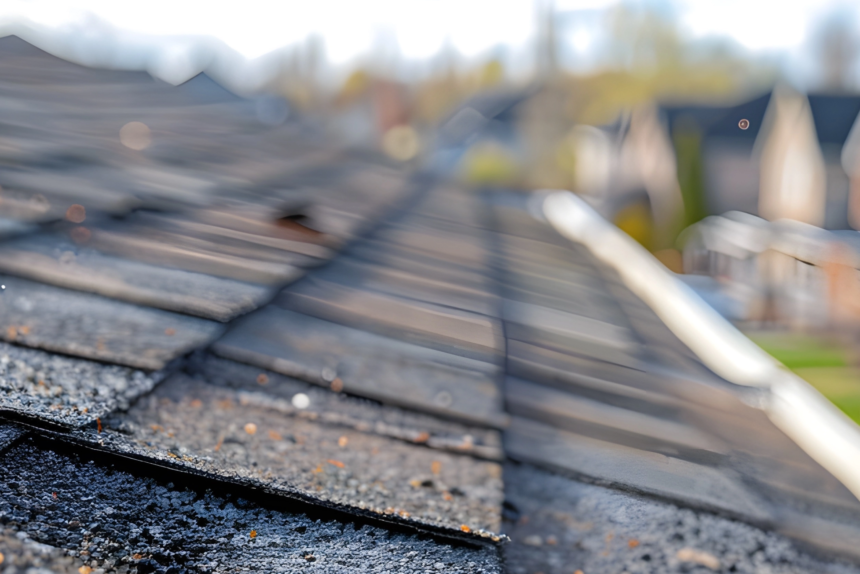
Your roof works every hour of every day, but most of its problems start small and quiet: lifted shingles here, a loose flashing there, a clogged downspout after a windy weekend. Catching those early issues is the difference between a quick fix and an interior leak that upends your week. This guide walks through practical, ladder-optional checks you can do from the ground, how roof care shifts with the seasons, what different roofing materials are telling you, and when it’s time to call a professional. It’s not about turning you into a roofer; it’s about helping you recognize the early warning signs, ask better questions, and plan maintenance on your terms.
Why Proactive Roof Care Pays Off
Small defects rarely stay small. Wind can pry at a raised shingle edge and grow it into a missing tab. A hairline crack in a pipe boot can let just enough water in to dampen insulation, feed attic mold, and stain ceilings months later. Routine visual checks, especially after storms, limit that domino effect. For clear explanations of common components and what they do, homeowner-friendly resources such as https://bealingroofing.com/ can help you learn the right terms so you can describe what you see and understand the steps a contractor recommends.
Think in systems, not parts. Shingles or panels shed water, but flashing, underlayment, ventilation, and gutters carry the load, too. If one element fails, the others work harder and wear faster. That’s why a bent step flashing by a sidewall or a clogged downspout matters as much as a missing shingle. Proactive care keeps the whole system balanced and extends useful life without major spend.
Seasonal Checks You Can Actually Follow
Spring: After freeze-thaw cycles, use binoculars from the ground to scan for lifted shingle edges, popped nails, and damage from fallen branches. Look at valleys where debris collects and where water has to work its hardest. Inspect gutters for leftover winter grit; heavy asphalt granules in downspout splash blocks can signal accelerated wear. Inside, peek into the attic on a sunny day pinpoints of light may indicate gaps, and dark stains or a musty smell can suggest moisture entry.
Summer: Heat stresses sealant and flashing. Check metal around chimneys, skylights, and vents for gaps or rust. Confirm your soffit and ridge vents are clear; proper ventilation lowers attic temperatures, reduces cooling costs, and helps shingles last longer. Trim back branches that can scrape shingles in a storm. If you power-wash siding, avoid spraying up under shingles or into vents high-pressure water can force moisture where it doesn’t belong.
Know Your Materials and What They’re Telling You
Asphalt shingles: Expect gradual granule loss; what’s worrisome is bare spots, curling at the corners, or multiple missing tabs clustered together. Metal roofing: Look for loose fasteners, chipped coating, and sealant failure at seams or penetrations. Tile and slate: Cracks, slipped pieces, or displaced ridge caps are the cues; these systems are durable but can be brittle, so avoid walking on them. Wood shakes: Watch for cupping, splitting, and moss buildup, which can trap moisture and speed decay.
All roofs: Flashing is the unsung hero. Step flashing at sidewalls, counterflashing at chimneys, and vent boot collars commonly fail first. Sealants age faster than metal or shingles, so a gap there doesn’t mean the whole roof is failing just that a targeted repair is due. Finally, gutters are part of the roof system; sagging sections, leaky seams, or downspouts that discharge too close to the foundation can send water back where you least want it.
What’s Safe to DIY and What Isn’t
Safe from the ground: Binocular inspections, debris removal with a telescoping pole, and pruning reachable branches are sensible steps. You can also gently flush gutters from a stable ladder and ensure downspouts flow freely. Inside, proactive attic checks especially after heavy rain can reveal issues before they reach living spaces. Keep records with photos; they help you spot changes over time and give contractors useful context.
Leave to the pros: Anything involving steep pitches, two stories, wiring near service drops, or complex flashing is best handled by trained crews with safety gear. Walking on roofs risks falls and damage, particularly with tile, slate, or aging shingles that can crack underfoot. Hot tar, torch-applied membranes, and structural sagging are also red flags. A trustworthy contractor will explain options, outline what’s urgent versus elective, and provide a scope that matches the actual issue.
Timing Bigger Decisions: Repair, Replacement, or Overlay
Repairs make sense when damage is localized say, wind-lifted tabs on one slope or a failed pipe boot. Replacement becomes compelling when widespread curling, pervasive granule loss, or chronic leaks appear across multiple areas. Overlays (adding a new layer over an old one) can save tear-off cost and mess, but they add weight, retain heat, and can mask problems in decking or flashing. Many jurisdictions allow only one overlay; check local codes, roof structure capacity, and warranty implications before deciding. A tear-off with new underlayment, flashings, and ventilation restores the system from the deck up and can solve chronic issues a patch can’t reach.
Good roof stewardship isn’t complicated; it’s consistent. A few minutes each season, a quick post-storm check, and a willingness to address small issues promptly will prevent most big headaches. Learn the basic components so you can spot early warning signs and speak the same language as the professionals you hire. Keep simple safety rules solid footing, low reach, and caution around power lines at the center of any DIY work. With a steady routine and clear expectations, you’ll stretch the life of your roof, protect the rest of your home, and spend less time worrying about the weather forecast.