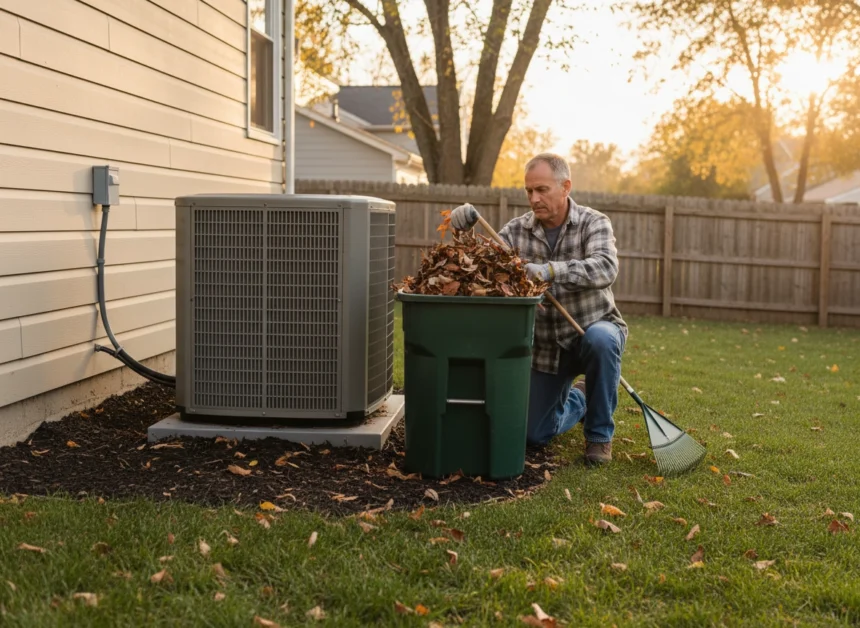
An outdoor air conditioning unit works in an environment where dust, dry leaves, grass clippings, seed pods, and other yard debris can gradually collect around its cabinet. Because the condenser must move outdoor air across its coil while releasing heat from the home, surrounding buildup can interfere with normal operation even when the indoor equipment appears fine. Seasonal landscaping and windy conditions may make the problem more noticeable over time. AC maintenance helps homeowners address these outdoor conditions before they lead to longer cooling cycles, reduced performance, or unnecessary strain during hotter weather, when the condenser must run for extended periods.
How Outdoor Buildup Affects Cooling
- Yard Debris Can Restrict the Air the Condenser Needs
The outdoor condenser depends on steady airflow from around the cabinet so the fan can move air across the coil and carry heat away. Leaves, dry grass, weeds, and lightweight landscaping debris can collect along the sides of the unit or become caught against protective panels. Homeowners scheduling AC maintenance in Citrus Heights may benefit from having these conditions checked before accumulated material begins restricting the condenser during periods of heavier cooling demand. Even when debris does not completely block airflow, repeated buildup can make heat rejection more difficult and contribute to longer operating periods. Maintenance allows you to clear the surrounding area and inspect the outdoor cabinet for material that may have worked its way into less visible spaces. This matters because an air conditioner can continue operating despite restricted outdoor airflow, making the problem easy to overlook. Keeping the condenser area clear supports the outdoor airflow needed for dependable heat transfer throughout each cooling cycle.
- Dust on Coil Surfaces Can Interfere With Heat Transfer
Fine outdoor dust can create a different problem from larger leaves or grass because it may gradually settle directly on condenser coil surfaces. The coil contains many thin fins designed to provide a broad area for transferring heat into the surrounding outdoor air. When those surfaces become coated, the dirt layer can interfere with contact between the coil and moving air. The system may still cool the house, but it may need to run longer to remove the same amount of indoor heat. Maintenance also lets you assess coil cleanliness and use appropriate methods to remove buildup without damaging delicate fins. This matters because aggressively spraying or brushing the coil without understanding its construction can bend fins or push debris deeper into the assembly. A properly maintained coil allows heat to leave the refrigeration system more effectively. That supports steadier cooling performance and reduces the likelihood that a gradually dirty outdoor unit will become noticeably less effective during prolonged periods of warm weather.
- Landscaping Activity Can Send Debris Directly Toward Equipment
Routine yard work can contribute to outdoor unit buildup even when homeowners keep the property generally clean. Lawn mowing may send clippings toward the condenser, trimming shrubs can leave leaves and small branches nearby, and leaf blowers may push dust against the cabinet instead of away from it. Mulch, loose soil, and lightweight plant material can also shift during windy periods. AC maintenance helps determine whether the area immediately surrounding the equipment creates repeated debris problems. In some cases, simple changes to yard-care habits can reduce how quickly the condenser becomes dirty after cleaning. Maintaining reasonable clearance around the cabinet also makes it easier for air to enter from multiple sides and gives technicians better access for inspection and service. The goal is not to remove every plant from the yard, but to keep landscaping from becoming an ongoing obstruction. When outdoor placement and yard maintenance work together, the condenser has a cleaner environment to operate in throughout the cooling season.
- Debris Can Affect More Than the Condenser Coil
Outdoor buildup can also reach areas beyond the visible coil. Leaves, twigs, insects, and other material may collect near the base of the cabinet or around fan openings. In some cases, debris can create unusual sounds when the fan operates or make it harder to inspect wiring and other components. Moist organic material left around the equipment can also keep the area damp after irrigation or rainfall. AC maintenance gives the outdoor unit a broader inspection rather than treating cleaning as a purely cosmetic task. A technician can check whether debris has entered areas that should remain clear and whether the fan, cabinet, connections, and surrounding pad appear stable. This broader review matters because visible dirt may be only one part of what affects the outdoor equipment. Clearing debris while also checking how the condenser operates helps distinguish ordinary seasonal buildup from mechanical concerns that may need attention before longer summer operating periods put more demand on the system.
- Why Routine Outdoor Attention Matters
Dust and yard debris usually accumulate gradually, making it easy for homeowners to become accustomed to the outdoor unit’s appearance. By the time airflow is noticeably restricted, the condenser may have been operating under increasingly difficult conditions for weeks. Routine maintenance helps prevent outdoor buildup from becoming a recurring source of cooling trouble. It also provides an opportunity to clear vegetation, examine coil condition, and confirm that the equipment has enough surrounding space for airflow. Regular attention is particularly useful before periods of heavy use, when even moderate restrictions can become more noticeable as cooling cycles grow longer.
Keeping Outdoor Equipment Clear for Reliable Cooling
AC maintenance in Citrus Heights matters when outdoor units collect dust and yard debris because condenser performance depends heavily on airflow and effective heat release. Grass clippings, leaves, loose soil, and fine dust can gradually disrupt the environment the equipment needs to operate normally. Routine maintenance removes buildup, inspects coil surfaces, checks surrounding clearance, and identifies other outdoor conditions before heavy cooling demand exposes them. When the condenser remains cleaner and less obstructed, the system has a stronger foundation for consistent operation. Regular outdoor attention supports reliable cooling and helps prevent ordinary landscaping debris from becoming an avoidable source of performance problems.