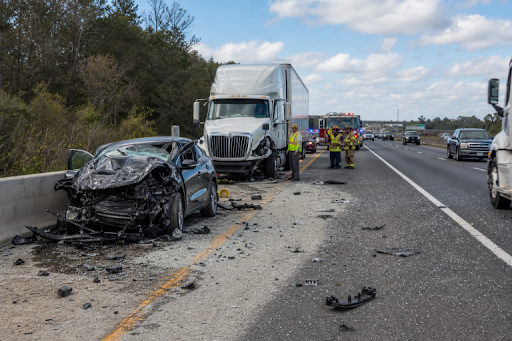
A truck crash can turn an ordinary trip into a medical, financial, and logistical emergency. The size, weight, cargo, and long stopping distance of commercial trucks can make a collision especially dangerous for people in passenger vehicles, on motorcycles, or on foot.
In the hours and days after a crash, priorities should be safety, medical care, and preserving accurate information. People who need help understanding the issues that may arise after a collision can review https://www.855dolor55.com/new-york/truck-accident-lawyer/ while also focusing on the facts and records specific to their situation.
Why Truck Crashes Can Be So Serious
Large trucks create risks that differ from a typical car crash. A tractor-trailer may have substantial blind spots, require more room to turn, and need a longer distance to stop. A smaller vehicle can absorb much of the impact in a rear-end, side-impact, underride, rollover, or cargo-related crash. Injuries may include fractures, traumatic brain injuries, spinal injuries, internal trauma, burns, and emotional distress.
Federal crash data illustrates the scale of the problem. In 2022, approximately 503,000 police-reported crashes involved large trucks, including about 114,000 injury crashes and 5,279 fatal crashes. The federal large-truck crash statistics also show that most people killed in fatal large-truck crashes were not occupants of the truck.
What to Do First After a Truck Crash
- Move away from immediate danger when possible. Watch for traffic, smoke, fuel leaks, fire, unstable vehicles, or hazardous cargo.
- Call 911. Request police, fire, or emergency medical help as needed.
- Check for injuries. Do not move an injured person unless staying in place presents a greater danger.
- Exchange basic information. Collect names, insurance details, license information, and the truck, trailer, and company identifiers.
- Follow medical advice. Some injuries are not obvious in the first few minutes after a collision.
Stay calm and avoid arguing about fault. Give accurate basic information to first responders, but do not guess about speed, distance, visibility, or the cause of the crash.
How to Document the Scene
If it is safe to do so, take wide photos of the scene before moving closer to document details. Images and notes can preserve conditions that may disappear after vehicles are moved and the roadway reopens.
- Vehicle positions, damage, debris, skid marks, and fluid leaks
- Lane markings, signs, traffic lights, barriers, and road conditions
- The truck’s license plate, company name, trailer number, and visible identification numbers
- Weather, lighting, construction zones, and nearby cameras
- Witness names and contact information
Write down the location, approximate time, direction of travel, traffic conditions, and what you remember happening. Keep original photos and videos without editing, filtering, or deleting them.
Medical Care and Injury Records
Adrenaline can mask pain after a crash. Headaches, dizziness, neck pain, numbness, back pain, sleep problems, and limited mobility may develop or worsen later. Prompt medical evaluation protects health and creates a contemporaneous record of symptoms and treatment.
Records to Keep
- Emergency room, physician, and specialist records
- Imaging results, prescriptions, and therapy notes
- Receipts for medication, transportation, medical equipment, and care
- Work restrictions, pay records, and documentation of missed time
- A simple journal describing pain levels and daily limitations
A clear treatment timeline may help connect the collision to an injury. If an appointment must be missed, communicate with the provider and keep a record of the reason.
Evidence That May Matter
Commercial truck cases can involve evidence beyond photographs and a police report. Depending on the crash, relevant materials may include electronic logging records, dispatch messages, maintenance and inspection reports, cargo documents, onboard camera footage, GPS information, and vehicle event data.
Evidence can disappear quickly. Traffic camera footage may be overwritten, damaged vehicles may be repaired, and businesses may follow record-retention schedules. Preserve your own documents, damaged property, and communications, and ask questions about retaining important records as early as possible.
Who May Be Responsible
Responsibility may extend beyond the driver. The facts could point to the trucking company, vehicle owner, maintenance provider, cargo loader, broker, or manufacturer of a defective vehicle part. Driver fatigue, distraction, speeding, improper lane changes, poor maintenance, unsafe scheduling, inadequate training, or shifting cargo are examples of issues that may require investigation.
A police report can be useful, but it may not resolve every question about fault. Liability rules vary by state, and the available evidence often determines whether more than one party shares responsibility.
Dealing With Insurance Companies
Report the crash as required by your own policy and keep copies of every email, letter, form, estimate, bill, and claim number. An adjuster may request photographs, medical releases, a recorded statement, or information about prior injuries.
Answer honestly, but do not speculate. Be cautious about signing a final release or accepting an early settlement while treatment is ongoing, since the full effect of an injury may not yet be known. Possible losses can include medical expenses, lost income, vehicle damage, future care needs, and reduced ability to perform daily activities.
Common Mistakes to Avoid
- Leaving the scene without making a required report.
- Posting opinions, photos, or health updates on social media.
- Giving a recorded statement while confused, medicated, or in pain.
- Discarding damaged clothing, equipment, or vehicle parts.
- Skipping care or disregarding medical instructions without explanation.
- Accepting a quick settlement before understanding the injury picture.
- Waiting until a legal deadline is near before seeking answers.
When to Get Legal Help
Professional legal advice may be useful when injuries are serious, fault is disputed, several businesses are involved, a death occurred, or an insurer delays or denies a claim. An attorney can help identify potentially responsible parties, evaluate insurance coverage, request records, communicate with insurers, and track applicable deadlines.
Truck design and crash forces can also affect injury severity, which is one reason these cases may require careful evaluation. The research on heavy-truck crashworthiness explains how vehicle design and occupant protection relate to crash safety.
Conclusion
The aftermath of a truck crash can feel overwhelming, but organized steps can create clarity. Get to safety, obtain medical care, report the collision, document the scene, preserve records, and avoid rushed decisions. Those actions cannot undo the crash, but they can help protect your health and support informed choices about what comes next.