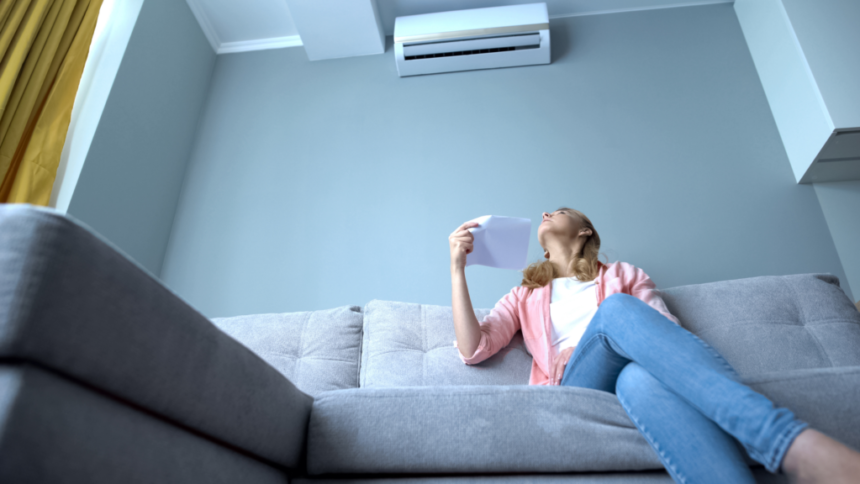
By late spring in the Tennessee Valley, heat and humidity start testing every air conditioner. In Muscle Shoals, long runtimes, afternoon thunderstorms, and heavy pollen can expose weak parts in a cooling system. Recognizing what your unit is telling you when it short-cycles, struggles with humidity, or starts blowing warm air can save time and prevent expensive damage. This guide explains the early signs that matter, the most likely causes in our climate, safe checks a homeowner can do without risking equipment, when to call a pro, and simple preventive habits that make the next heat wave easier on your system.
Early signs your system is in trouble
Sudden warm air from supply vents, weak airflow from the registers, or short cycling (running for a minute or two, then shutting off) are strong signals something is off. Many residents start searching for AC repair in Muscle Shoals the moment these symptoms show up at dinnertime. Other red flags include a frosty suction line at the outdoor unit, a sweet or musty odor near the air handler, clicking from the condenser without the fan spinning, or a thermostat that never reaches setpoint while indoor air feels clammy.
Water around the indoor unit points to a condensate issue. A tripped float switch will intentionally shut cooling down to prevent ceiling or closet damage. A rising power bill with no change in thermostat settings can also signal a dirty condenser coil or a failing capacitor that’s making the compressor work harder.
Common causes in hot, humid conditions
Restricted airflow is the most frequent culprit. A clogged 1-inch filter, closed supply registers, or a matted evaporator coil can raise static pressure and cause the coil to ice over. When ice forms, supply air warms up because refrigerant can’t absorb heat effectively. Low refrigerant due to a leak creates a similar icing pattern by driving suction pressure too low, which can harm the compressor if ignored.
Outdoors, a dirty condenser coil, grass clippings packed in the fins, or shrubs crowding the unit reduce heat rejection and drive head pressure up. The system may run constantly, blow lukewarm air, or trip on high-pressure safety. A weak dual run capacitor or pitted contactor can leave the fan or compressor struggling to start, producing a humming unit that never cools. In humid weather, a clogged condensate drain will fill the pan, lift the float switch, and stop cooling altogether.
Safe at-home checks that won’t risk damage.
Start with the thermostat: confirm it’s on Cool with the fan set to Auto, replace batteries, and avoid deep temperature setbacks that force long, stressful runtimes. Inspect the filter and replace it if it looks gray or bowed. Keep in mind a higher MERV rating traps smaller particles but can restrict airflow in older systems; a MERV-8 1-inch filter is often a safe middle ground unless your equipment and ductwork are sized for higher resistance.
Look at the outdoor condenser. Clear at least two feet around the cabinet. If the fins are dusty, shut power off at the disconnect and gently rinse from the inside out with a garden hose on low pressure. Never use pressure, as it can bend fins. Check that the outdoor fan spins when cooling is called; if you hear a click and a hum but the blade sits still, turn the system off and call a technician to avoid motor or compressor damage.
If you see frost on the refrigerant line or notice little to no airflow, switch cooling off and set the fan to On to thaw the evaporator coil. Place towels near the air handler and give it time running a frozen system can flood the compressor with liquid refrigerant. At the condensate drain, vacuum the outside line and add a small amount of plain distilled vinegar to the clean-out to discourage algae growth. Do not repeatedly reset a tripped breaker; frequent trips indicate an electrical fault or a failing component.
Two real-world scenarios and what they suggest
Evening short cycling with warm air from the vents often points to an iced evaporator or a failing capacitor. You might notice a brief cool burst followed by warmer airflow as the coil ices and thaws in cycles. If thawing the coil, installing a clean filter, and clearing supply registers don’t restore steady cooling, a pro should check airflow and refrigerant charge, then test the capacitor’s microfarads and the contactor.
No cooling after a heavy rainstorm with puddles near the air handler typically indicates a clogged condensate drain. In this case, the float switch likely cut power to protect your home. Vacuuming the drain line outdoors and clearing the trap usually restores operation. Still, a technician can flush the line completely, inspect the pan and safety switch, and confirm that negative pressure at the air handler isn’t drawing attic air into the drain and reintroducing moisture.
When to call a technician and what they’ll check
If outdoor equipment hums without starting, ice returns after thawing, the system trips breakers, or indoor humidity remains high despite long runtimes, it is time for a diagnostic visit. A qualified HVAC technician will measure static pressure, compare blower motor amperage to the nameplate, and check coil cleanliness. They’ll test the run capacitor, inspect the contactor, and record superheat and subcooling to evaluate refrigerant charge and metering device performance.
They may also pressure test and use an electronic leak detector if low refrigerant is suspected, examine the condensate float switch and trap configuration, and confirm the thermostat is calibrated. On heat pumps, a technician will check the reversing valve and defrost board behavior. Ductwork gets a look too; leaks in a hot attic can pull in humid air, forcing the system to chase both temperature and moisture removal at the same time.
Habits that reduce mid-summer breakdowns
Change 1-inch filters every 30 to 60 days during peak pollen, and keep a spare on hand. Maintain at least two feet of clearance around the condenser and trim shrubs before they encroach. Rinse the outdoor coil lightly each spring. Pour a small amount of vinegar into the condensate clean-out monthly to discourage slime. Record model and serial numbers, filter size, and the refrigerant type on a card near the air handler to speed future service.
Use modest thermostat setbacks big swings often cause long runtimes and poor humidity removal. Seal obvious duct leaks and insulate the suction lines. Consider a float safety switch if your system lacks one. A simple HVAC-rated surge protector can help shield control boards from voltage spikes during summer storms. Finally, schedule a pre-season tune-up to catch capacitor or evaporator coil issues before the first 95-degree day. When you recognize early symptoms, do the safe checks that protect your equipment, and bring in a technician before parts fail under peak load, you avoid collateral damage like compressor overheating or water overflow. A few preventive habits clear airflow, clean coils, a clear drain, and modest thermostat schedules help your air conditioner keep up, even when the river valley sinks into its stickiest stretch of summer.