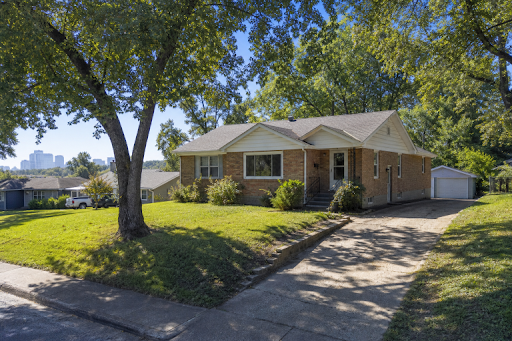
Selling quickly can be a practical choice when a move, inheritance, divorce, vacant property, repair burden, or financial deadline makes a conventional listing difficult. Before committing to any route, Little Rock homeowners can begin by comparing timelines, likely costs, and contract terms through resources such as https://www.readydoorhomes.com/sell-my-house-fast-little-rock-ar/.
A fast sale should still be a deliberate sale. The best option is not automatically the offer with the largest number at the top of the page. It is the option that provides acceptable net proceeds, a workable closing date, and terms the seller fully understands.
Why a Fast Sale May Make Sense in Little Rock
Every seller has a different deadline. A homeowner relocating for work may need to coordinate a sale with a new lease or purchase. An heir may prefer to resolve an inherited home rather than maintain it from another city. Owners of vacant homes may also want to reduce the ongoing responsibilities of utilities, insurance, lawn care, and security.
Little Rock properties can present different decisions depending on their age, upkeep, drainage, storm exposure, and location. A house with deferred maintenance may still be sellable, but the owner should decide whether the priority is maximum price, minimal preparation, or a defined closing date.
For a broader starting point on selling choices, homeowners can review https://www.readydoorhomes.com/ while keeping their own timeline and financial goals at the center of the decision.
Start With a Simple Selling Plan
Set a target closing date first, then work backward. Gather the deed, mortgage information, recent tax records, repair invoices, warranties, permits, and any homeowners’ association documents. Request a payoff statement from the mortgage servicer, since the balance shown on a monthly statement may not equal the amount required to satisfy the loan on a specific closing date.
- Choose the latest acceptable closing date.
- Estimate the minimum proceeds needed after debts and selling costs.
- List known repairs, leaks, damage, liens, tenant issues, or title questions.
- Decide whether convenience or maximum exposure to buyers matters more.
- Keep important documents in one folder for the buyer and closing professional.
Compare the Main Ways to Sell
- Traditional listing: This can create wider market exposure, but it may involve preparation, showings, negotiations, inspections, appraisals, and buyer financing.
- For-sale-by-owner: The owner controls pricing and marketing but also handles communication, negotiations, and much of the transaction coordination.
- Cash buyer: A cash transaction may simplify the financing portion of a sale and may allow an as-is purchase, but the offer still needs a careful comparison with expected value and total deductions.
- Short sale: If the likely sale price is below the mortgage payoff, a lender may need to approve the transaction before it can close.
Check Condition Without Over-Improving
Document the property before spending money. Take clear photos, note the approximate ages of major systems, and separate urgent safety concerns from cosmetic projects. For example, addressing an active plumbing leak is different from replacing cabinets solely to match current design preferences.
- Photograph every room, exterior area, and visible concern.
- Collect invoices for roof, HVAC, electrical, plumbing, and foundation work.
- Identify warranties, permits, and insurance claim records.
- Ask whether a proposed repair is likely to improve net proceeds or simply delay the sale.
Review Arkansas Documents and Costs
Contracts and disclosures deserve attention even in an as-is sale. Arkansas does not have a law requiring every owner to disclose all property-condition information, though disclosure forms are common in residential transactions, and agents have separate duties. Sellers can review the Arkansas Real Estate Commission’s guidance on property-condition disclosure before deciding how to document known issues.
Potential deductions can include mortgage payoff amounts, title and recording charges, property taxes, commissions, repair credits, moving expenses, and other charges assigned in the contract. Ask the closing professional for a written estimate tailored to the proposed transaction rather than relying on assumptions.
Calculate Net Proceeds Before Accepting an Offer
Use this basic calculation: estimated net proceeds = sale price minus mortgage payoff, selling costs, repair credits, and other agreed charges.
For example, a $200,000 offer may look stronger than a $190,000 offer until the seller accounts for commissions, requested repairs, credits, and carrying costs during a longer closing period. Conversely, a lower offer with fewer deductions may leave a similar amount at closing. These figures are illustrations only, and actual proceeds depend on the contract, title work, lender payoff, and seller obligations.
Questions to Ask Before Accepting a Fast Offer
- Who is the actual buyer, and is the contract assignable?
- What proof is available that the buyer can fund the purchase?
- Are inspections, financing, or cancellation rights included?
- Who pays closing, title, transfer, recording, and repair-related costs?
- Are service fees or administrative charges deducted from the seller’s proceeds?
- What happens if the buyer does not close on time?
- When and how will the seller receive proceeds?
Warning Signs and Closing Preparation
Be cautious about pressure to sign immediately, unclear buyer identities, verbal promises that differ from the written agreement, large upfront fees, or requests to transfer a deed before a proper closing. Homeowners facing mortgage trouble should continue communicating with their lender. The Federal Trade Commission identifies upfront charges, instructions to stop contacting a lender, and deed-transfer requests among common mortgage-relief scam warning signs.
Before closing, confirm the mortgage payoff, address known liens or judgments, provide identification, clarify the move-out date, and read the settlement statement carefully. Keep signed copies of the contract and final closing documents.
A Seven-Day Little Rock Seller Checklist
- Day One: Set the deadline and collect property records.
- Day Two: Request a payoff and identify possible title issues.
- Day Three: Compare selling methods and written estimates.
- Day Four: Review each offer by net proceeds and terms.
- Day Five: Ask a title professional or attorney about unclear language.
- Day Six: Confirm move-out details and remove personal belongings.
- Day Seven: Sign only after reviewing final figures and documents.
Common Questions From Little Rock Sellers
Can a Little Rock home be sold as-is?
Yes. “As-is” generally means the seller does not agree to make specified repairs, but it does not eliminate the need to read the contract, answer questions honestly, or address agreed-upon closing requirements.
Does a fast sale always mean a lower price?
No. Speed can affect the offer, but so can condition, market exposure, repair needs, closing costs, and certainty. Compare net proceeds rather than price alone.
How quickly can a sale close?
The timeline depends on title work, payoff information, buyer funds, property issues, required signatures, and the terms agreed by both parties.
Choose Clarity Over Pressure
A fast Little Rock home sale can be smooth when the seller has realistic numbers, complete paperwork, and a clear understanding of the contract. Whether the final choice is a listing, private sale, or cash offer, careful comparison helps ensure the transaction fits the property, deadline, and financial goals.