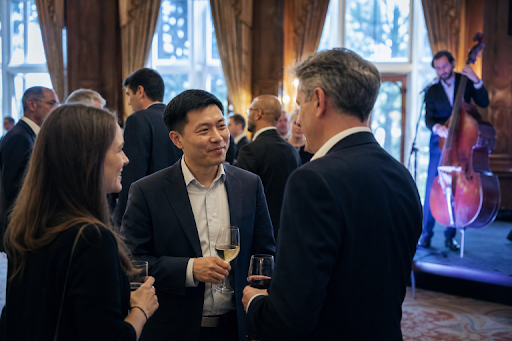
Live entertainment can turn a standard corporate gathering into an experience that feels intentional, welcoming, and memorable. Whether the occasion is an awards dinner, client reception, company celebration, or product launch, the best corporate entertainment service supports the event’s purpose rather than distracting from it. Successful planning starts well before a performer takes the stage. Event organizers need to consider the guest list, desired atmosphere, schedule, venue limitations, technical requirements, and budget together. When those decisions align, entertainment can help guests connect, celebrate, and remain engaged throughout the program.
Why Entertainment Matters At Corporate Events
Entertainment sets a tone before anyone gives a speech or takes the dance floor. Soft instrumental music can make a reception feel polished, while a high-energy band can give a celebration a clear peak. Good event management connects creative choices with practical elements such as scheduling, audience needs, vendor coordination, and technical production. The key is to give entertainment a job. It may encourage conversation, recognize employee achievement, create anticipation before a launch, or help guests relax after a formal presentation. Background music, featured performances, and interactive experiences can all work well, but each belongs in a different part of the program.
Define The Event Goal First
Before reviewing performers, ask one simple question: what should guests feel, do, or remember when the event ends? The answer provides a useful filter for every entertainment decision.
- Employee appreciation: Choose upbeat, welcoming entertainment that makes the occasion feel celebratory.
- Networking: Prioritize controlled volume and a format that leaves room for conversation.
- Product or company launch: Consider a visually polished act or musical moment that builds anticipation.
- Awards ceremony: Use concise entrance, walk-up, and transition music to maintain momentum.
- Holiday party: Select an act that can gradually raise the energy as the evening progresses.
- Client event: Choose inclusive entertainment that reflects the brand and respects the guest mix.
Choose The Right Entertainment Format
There is no single best format. The right option depends on the size of the room, the available stage area, the event schedule, and how actively guests are expected to participate.
- Solo musicians fit arrivals, cocktail hours, dinners, lounges, and smaller gatherings.
- Acoustic duos and trios add live energy while requiring a more modest setup than a full band.
- Jazz or chamber ensembles can complement formal dinners and executive receptions.
- Live bands work well for large celebrations and dance-focused programs.
- DJs offer playlist flexibility, quick transitions, and coverage for longer entertainment windows.
- DJ and live musician combinations provide both a flexible music format and a visible performance element.
- Interactive acts can add variety when they are appropriate for the audience and do not pressure guests to participate.
Match Entertainment To The Audience
Start with the people in the room, not the planner’s personal music preferences. Consider the age range, cultural backgrounds, job roles, familiarity among guests, and whether attendees are expected to listen, mingle, dance, or take part in activities. For a mixed audience, a wide musical variety is often more useful than a narrow theme. Avoid entertainment that relies on embarrassing volunteers or jokes that could exclude part of the group. Accessibility should also shape the plan. Clear paths, suitable seating, sensible volume, readable event information, and unobstructed sightlines help more guests participate comfortably.
Plan Entertainment Around The Event Flow
Entertainment works best when it supports the event’s rhythm rather than appearing as an isolated booking. Map it to the agenda from guest arrival through the final farewell.
- Arrival: Use welcoming background music while guests check in and orient themselves.
- Networking: Keep music at a conversational level and avoid placing speakers directly beside food, registration, or seating areas.
- Dinner and presentations: Use short musical cues for entrances, breaks, and transitions.
- Awards: Prepare walk-up music and timing cues in advance to prevent long pauses.
- Featured set: Give the act a clear performance window, audience attention, and adequate sightlines.
- Closing: End with an energetic set, a recognizable final song, or a concise performance that leaves guests with a positive final impression.
For example, a three-hour company celebration might feature a solo performer upon arrival, a DJ for dinner transitions and award cues, and then a live band for the final portion of the evening. This structure changes the energy without requiring one format to carry the entire program.
Check Venue And Production Needs
Creative plans only work when the space can support them. Confirm stage dimensions, electrical access, loading routes, elevators, parking, setup windows, sound restrictions, and required insurance documents before contracts are finalized. Also, clarify who provides microphones, speakers, monitors, lighting, risers, cable protection, and a sound technician. Coordinate the performer, venue contact, and audiovisual team on one shared schedule. This reduces the risk that setup, soundcheck, catering, speeches, or guest arrivals compete for the same space and time.
Build A Practical Entertainment Budget
Set a total entertainment range before contacting talent. Separate the performer fee from production expenses, then ask whether travel, rehearsals, equipment, setup, teardown, meals, overtime, and taxes are included. A lower initial quote may not represent the final event cost. Compare options by the experience they create, not only by price. Right-size the act for the room. A large band can overpower a small dinner, while a solo act may feel too limited in a ballroom. Keep a contingency amount for schedule changes, added equipment, or an approved extension of performance time.
Avoid Common Planning Mistakes
- Booking entertainment before identifying the event goal and audience needs.
- Choosing an act only because it matches one organizer’s taste.
- Waiting too long to confirm performer availability and contract terms.
- Overlooking venue sound limits, access requirements, or setup restrictions.
- Scheduling too many activities and leaving no time for guests to enjoy them.
- Playing music too loudly during networking, meals, or important remarks.
- Skipping backup plans for weather, delayed programming, or equipment issues.
- Failing to document arrival time, dress code, set lengths, breaks, cancellation terms, and technical needs.
Measure Guest Response
After the event, gather practical feedback while details are still fresh. Ask guests whether the entertainment matched the tone, review attendance during the featured performance, and note how long guests remained after the formal program. Event staff can also identify timing problems, volume concerns, and production issues that guests may not mention. Record what worked for the next event, including preferred formats, music styles, audience participation levels, room layouts, and ideal performance timing. The strongest corporate entertainment plan is not necessarily the largest or most elaborate. It is the one that fits the audience, supports the purpose, works within the venue, and gives guests a reason to stay engaged.
Conclusion
Choosing entertainment for a corporate event requires more than selecting a performer or playlist. The most suitable option should support the event’s purpose while fitting the audience, venue, schedule, atmosphere, and budget. Planning the entertainment around arrivals, transitions, recognition moments, and closing activities can help create a smoother event flow without distracting from important program elements. Organizers should also confirm technical requirements, venue access, sound limitations, insurance, performance schedules, and other production details well before the event. Afterward, guest and staff feedback can provide useful information for future planning. With clear goals and careful coordination, corporate entertainment can add energy and engagement while remaining aligned with the gathering’s overall purpose.