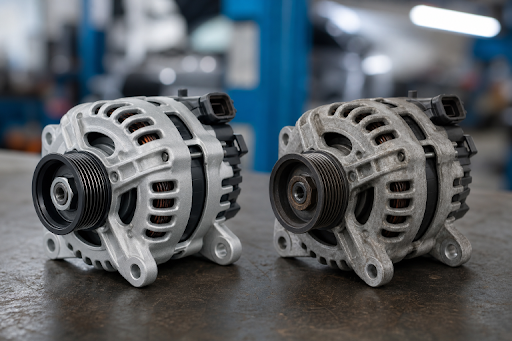
Buying replacement parts in Denver requires more than just finding the lowest price. Colorado driving can mean cold starts, changing temperatures, road grit, steep grades, and long highway trips, all of which make correct fitment and dependable materials important. For owners of high-performance luxury vehicles, choosing genuine Bentley parts offers a direct path to components designed to the vehicle’s original specifications. Whether the repair involves brakes, a sensor, a cooling component, or a simple cabin accessory, the best purchase starts with accurate vehicle information. A part that appears nearly identical to the original may have a different connector, mounting location, software requirement, or internal calibration.
Why Fitment Matters More Than Price
Fitment is the question of whether a specific component will properly install and operate on a specific vehicle. Model year, engine, trim, body style, drivetrain, and production changes can all affect the answer. A brake component may use a different mounting configuration, for example, while an electronic sensor may have a connector that looks close but cannot communicate correctly with the vehicle. A poor match can create costs that are easy to overlook. The vehicle may need to be disassembled twice, a technician may spend extra time diagnosing a warning light, and the buyer may face return shipping or a delayed repair. Confirming compatibility before installation is usually more valuable than saving a small amount on the initial order.
Genuine, OEM, Aftermarket, and Rebuilt Parts
Part labels can be confusing, but each category has a practical purpose:
- Genuine parts are sold through the vehicle manufacturer’s branded distribution network.
- OEM parts are made to original-equipment specifications, sometimes by a supplier associated with the original vehicle component.
- Aftermarket parts are made by independent companies and can vary substantially by brand, design, and application.
- Rebuilt or remanufactured parts are previously used components restored for reuse, often with replaced wear items or tested internal parts.
No category is automatically best for every repair. Vehicle age, system complexity, budget, expected ownership time, and the part’s importance to safety should guide the decision.
Vehicle Details to Check Before Ordering
A VIN check is often more precise than a broad online selection tool. Before contacting a parts department or placing an order, gather the following:
- The 17-character vehicle identification number, or VIN.
- The exact model year, model name, engine, fuel type, and drivetrain.
- The trim level and any factory options relevant to the repair.
- The old part number, if it can be read safely.
- Photos or measurements of connectors, mounting points, and hardware.
- Information about required programming, coding, calibration, or special tools.
Parts That Deserve Extra Care
Cosmetic trim and convenience accessories may allow more flexibility, but a more careful standard is appropriate for components that affect vehicle control, occupant protection, or major systems. This includes brake parts, steering and suspension components, tires and wheels, airbag and restraint-system parts, fuel-system parts, cooling-system components, and advanced driver-assistance sensors. The cheapest listing is not always the lowest-cost choice when failure could affect safety or damage related components. Parts associated with airbags, electronic safety systems, and precise sensor calibration deserve particular attention to source, condition, and installation procedure.
Warranty Questions Every Driver Should Ask
Drivers should distinguish between a vehicle warranty, a replacement-part warranty, and an optional service contract. A part warranty may cover only the component, while labor, diagnostics, towing, and calibration may be excluded. Ask for the warranty period, covered conditions, return rules, and any installation requirements in writing. Using an aftermarket or recycled part does not automatically end a vehicle warranty. The federal guidance on auto warranties explains that coverage can be denied for damage caused by a defective part or incorrect installation, and that repair records are worth keeping. Save receipts, part numbers, warranty documents, and the final repair order.
How to Judge Part Quality
Before buying, look for a clearly identified manufacturer, a complete part number, and specific compatibility information. Review return terms before the package arrives, not after installation begins. When inspecting a delivered component, compare its connectors, finish, mounting points, included hardware, and overall condition with the original part. Product photos can be useful, but they cannot prove durability, fit, or correct electronic operation. Be cautious with vague claims such as “factory style” or “OEM quality” when the listing does not identify the actual manufacturer or provide a verifiable part number.
The Real Cost of a Cheap Part
Compare the entire repair expense rather than the sticker price alone. Include the price of the part, shipping, taxes, installation labor, diagnostic time, programming or calibration, return shipping, and transportation while the vehicle is unavailable. If a low-cost sensor triggers a warning light and requires a second appointment, the original savings can disappear quickly.
A Simple Buying Process
- Confirm the diagnosis before ordering a replacement.
- Gather the VIN, vehicle details, mileage, and old part number.
- Classify the part by its safety, electronic, mechanical, or cosmetic role.
- Compare suitable genuine, OEM, aftermarket, or remanufactured options.
- Verify warranty coverage, return policies, and installation requirements.
- Confirm final fitment with the supplier or technician before installation.
- Keep all receipts and repair documentation for future service needs.
Warning Signs of a Poor Parts Listing
- “Universal fit” language without precise vehicle details.
- No manufacturer name or part number.
- Photos that conflict with the written description.
- No clear warranty or return process.
- A price far below comparable products without an explanation.
- Customer feedback describing poor fit, missing hardware, early failure, or warning lights.
Common Questions About Replacement Parts
Are OEM parts always better?
OEM parts can offer a predictable fit and specifications, but a reputable aftermarket option may be appropriate for certain routine repairs. The right choice depends on the specific component and the owner’s priorities.
Should a VIN always be used?
Using the VIN is especially helpful for electronic modules, sensors, body components, and vehicles with option packages or production changes.
How can drivers check for safety recalls?
Before purchasing a replacement for a safety-related concern, owners can use vehicle recall and safety resources to check a VIN or license plate for open recalls. An open recall repair should be addressed through an authorized dealer rather than treated as an ordinary parts purchase.
Final Thoughts
Choosing a replacement car part in Denver, Colorado, does not need to be a guessing game. Start by confirming the vehicle’s year, make, model, engine, trim, and other relevant specifications, since similar vehicles may use different components. Consider the part’s purpose, quality, compatibility, and risk level, especially for components related to braking, steering, suspension, or other safety systems. Review the full repair cost, including labor, installation, shipping, and any related parts that may need replacement. Before installation, verify fitment using the vehicle identification number (VIN), manufacturer information, or a reliable parts catalog. It can also help to compare warranties, return policies, and supplier reputation. Taking these steps can reduce delays, avoid unnecessary purchases, protect repair budgets, and support safer, more reliable driving throughout Denver’s changing road and weather conditions.