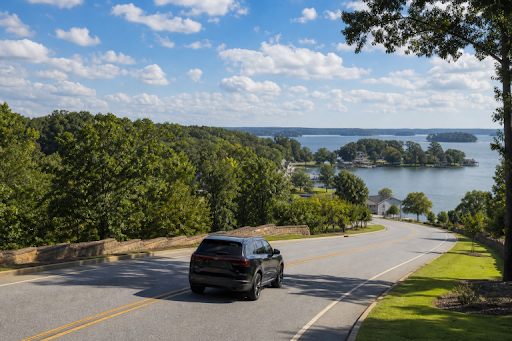
In Cumming, Georgia, drivers regularly contend with humid summer heat, bright afternoon sun, and glare bouncing off busy roads around Lake Lanier and GA 400. Car window tint can make a daily commute more comfortable, reduce harsh glare, and help preserve an interior’s appearance. Vehicle owners who are already considering ceramic coating for cars in Cumming, GA may also find that quality window film is a practical part of an overall vehicle-protection plan.
Still, tint is not simply a matter of choosing the darkest shade. Film type, visible light transmission, factory glass, nighttime visibility, local rules, and installation quality all affect whether the finished result works well for the way a vehicle is actually driven in Forsyth County.
Why Window Tint Is More Than a Style Choice
A well-chosen film can reduce the uncomfortable blast of sunlight that hits a parked car after an afternoon at the lake, while also making morning and evening drives less visually tiring. It may add privacy and give glass a more uniform appearance, but comfort and visibility should lead the decision.
Darker is not automatically better. A premium light-colored film may provide more useful solar control than a darker entry-level option, and it can be easier to live with on unlit roads. The best choice depends on the vehicle’s existing glass, the driver’s routine, and the desired balance between heat reduction, appearance, and clear sightlines.
How Car Window Tint Works
Window tint is commonly described by visible light transmission, or VLT. This percentage indicates how much visible light passes through the completed glass and film combination. Lower VLT numbers generally look darker, while higher numbers allow more light into the cabin. Drivers searching for automotive ceramic coating near me should approach tint selection the same way they approach paint protection: compare the product’s actual performance, not just its appearance.
VLT is only one measurement. Infrared rejection relates to heat control, UV rejection concerns ultraviolet exposure, and glare reduction affects visual comfort. Two films that look nearly identical from the outside can perform very differently in a hot Cumming parking lot. Factory privacy glass also matters because added film changes the final reading and appearance.
Comparing Common Tint Film Types
- Dyed film: Often the most budget-friendly option, with a classic dark appearance. It may offer less heat control and can fade sooner than higher-grade films.
- Metalized film: Can be durable and effective for solar control, although some versions may interfere with certain electronic signals.
- Hybrid film: Combines dyed and metallic materials to provide a middle ground in price, appearance, and performance.
- Ceramic film: Usually costs more, but it is valued for clarity, strong heat rejection, and signal-friendly performance without relying on metal.
Choosing the Right Tint Percentage
Common shades include 70%, 50%, 35%, 20%, and 5% VLT. A 70% film is subtle and often selected for light glare control. A 50% or 35% option can create a noticeable change without making the cabin extremely dark. Lower percentages, such as 20% and 5%, increase privacy, but they can make nighttime driving more demanding.
Before choosing a percentage, consider how often the vehicle travels after dark on rural Forsyth County roads, through rain, or in poorly lit parking areas. Front windows generally deserve the most conservative choice because they affect the driver’s ability to see mirrors, pedestrians, cyclists, and road edges.
Heat, Glare, and UV Protection
Solar-control film can improve cabin comfort by reducing some of the sun’s energy before it enters the vehicle. It can also reduce glare during sunrise on the commute south or sunset traffic heading home. Light-colored high-performance film may still provide worthwhile heat control, which is why shade alone is a poor indicator of quality.
UV blocking and heat rejection are related but different benefits. Ultraviolet radiation is one part of sunlight, while infrared energy is a major source of perceived heat. The sun-safety guidance from the Environmental Protection Agency explains why limiting unnecessary UV exposure is sensible, but window film should not be treated as a replacement for sunglasses, sunscreen, or medical advice. It may also help reduce the sunlight exposure that contributes to fading and drying in upholstery, trim, and dashboard materials.
Visibility and Night Driving
A very dark tint can reduce usable visibility after sunset, especially during storms, on unlit side streets, or when backing out of a dark driveway. Film clarity matters as much as shade. A properly installed quality film should not create haze, distortion, or distracting optical effects.
A quick driver-seat checklist
- Can you read road signs and see lane markings comfortably after dark?
- Can you spot pedestrians, cyclists, and animals near the road edge?
- Do side mirrors remain easy to use in rain or low light?
- Does the glass look clear from inside, without waviness or haze?
Georgia Rules to Review Before Installation
Georgia requirements should be confirmed before any film is installed, because compliance depends on the final glass-and-film combination rather than the film label alone. The state’s window tinting rules address light transmission, reflectance, windshield restrictions, installer certification, and limited medical exemptions. Windshield, driver-side, rear-side, and rear-window rules are not necessarily identical.
Ask for the expected final VLT reading, particularly on front side windows. If a medical exemption may apply, review the required state process before scheduling work. Keeping proof of installation, warranty information, and any applicable exemption documentation in the vehicle can prevent unnecessary confusion later.
Prepare for Installation and Care for the Film
Before installation, identify the primary goal: lower cabin heat, less glare, additional privacy, or a cleaner look. Ask about VLT, UV rejection, heat rejection, signal compatibility, warranty coverage, and curing time. After installation, inspect the glass in both sunshine and shade before leaving.
New film needs time to cure, so follow the installer’s instructions before rolling windows down or cleaning the inside glass. Once cured, use a soft microfiber cloth and ammonia-free cleaner. Avoid rough scrub pads, sharp tools, and abrasive products. Persistent bubbles, edge lifting, hazy patches, peeling, scratches, or purple discoloration deserve a professional inspection.
Common Questions and Final Tips
Does a darker tint always block more heat?
No. Darkness describes visible light, not total heat rejection. A lighter ceramic film can outperform a darker basic dyed film in solar-control performance.
What tint is best for night driving?
The best option is one that preserves confident visibility for the driver’s eyesight, typical routes, and lighting conditions. For frequent nighttime driving, a lighter, high-clarity film is often the practical choice.
How long does window tint last?
Film life depends on material quality, installation, climate, care, and sun exposure. Compare written warranties instead of relying on broad lifespan promises.
For Cumming drivers, the smartest window tint balances everyday heat relief with clear night vision and Georgia compliance. Choose performance goals first, confirm the final VLT, and keep care and warranty documents after installation. The right film should make every drive more comfortable without creating avoidable visibility or legal problems.