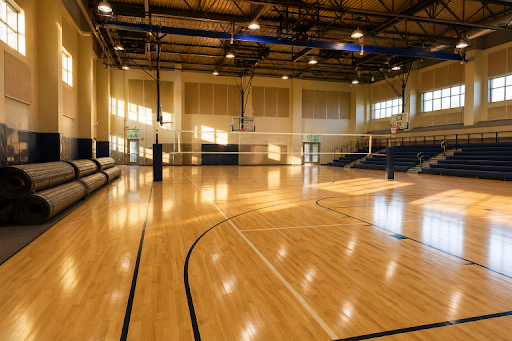
A gymnasium floor is a long-term facility decision, not simply a finish selection. It affects how athletes move, how balls respond, how easily staff can clean the space, and how well the room handles assemblies, practices, physical education, and public events. Professional gym flooring installation should therefore begin with a full review of the space rather than a material choice based on appearance alone. A dedicated basketball court has different demands than a K-12 gym used all day for classes and several evenings each week for meetings or recreation. The visible flooring matters, but so do the concrete slab, moisture conditions, resilient subfloor, court layout, transitions, equipment, and maintenance plan. Considering those connected parts early can prevent expensive changes after construction begins.
Why Flooring Selection Deserves Careful Planning
Every facility has its own use pattern. A school may need a competition-quality court, a safe physical education space, and a protected surface for graduation. A training center may prioritize resistance to dropped weights and frequent equipment movement. Recreation departments may need a flexible surface that accommodates a wide range of ages and activities. The best option is the one that supports the actual program, staffing capacity, and lifecycle budget.
Step One: Define How the Gym Will Be Used
Create a practical use profile before comparing products. List every activity planned for the room, including sports, classes, camps, tournaments, fitness sessions, and non-sport events. Estimate normal daily traffic and peak periods, such as tournament weekends or graduation season.
Questions To Ask Before Specifying a Floor
- Will basketball and volleyball be the primary uses?
- Will physical education classes use the same court throughout the day?
- Will movable bleachers, carts, tables, stages, or fitness equipment cross the surface?
- Will food, drinks, chairs, or outdoor footwear be allowed during events?
- How much downtime can the facility tolerate for cleaning, recoating, repairs, or refinishing?
Separate dedicated competition areas from training and general activity zones when possible. A facility does not always need one material everywhere. For example, a court may benefit from a sports-specific surface while an adjacent weight room may be better served by rubber flooring.
Step Two: Compare Common Gymnasium Flooring Types
Hardwood Flooring
Hardwood remains a familiar choice for basketball and volleyball because it provides the traditional appearance and playing feel associated with indoor courts. A properly specified wood system can be refinished over time, which makes long-term maintenance planning especially important. Hardwood requires careful moisture control, approved cleaning methods, periodic recoating, and professional sanding and refinishing when the finish and wear layer require renewal.
Vinyl and Synthetic Sports Flooring
Vinyl and other synthetic sports surfaces are often selected for multi-purpose gyms because they can be designed with cushioning, traction, colors, and line configurations suited to the facility. Their performance varies by system, so decision-makers should compare the complete assembly rather than treating every synthetic surface as equivalent. Current indoor sports surface guidance emphasizes matching the surface and subfloor to the users, intended sports, maintenance resources, and available budget.
Rubber Flooring
Rubber is commonly used in weight rooms, fitness areas, and equipment-heavy zones. It can provide a durable surface for training activities and may help manage sound and impact in spaces where equipment is frequently used. It is generally a better fit for strength and conditioning than for a regulation-style basketball court, where ball response and court feel are central considerations.
Poured Polyurethane and Specialty Systems
Poured polyurethane and other specialty systems can create seamless synthetic surfaces for recreation centers and multi-sport spaces. Designers can evaluate options for cushioning layers, surface texture, colors, wear layers, and game-line layouts. These systems still depend on suitable slab preparation and installation practices to deliver consistent results.
Step Three: Check Performance Needs
Project specifications should clearly state the performance characteristics that matter for the intended activities. Important factors include:
- Shock absorption: The system’s ability to provide a more forgiving surface for running, jumping, and landing.
- Traction: A balance that supports controlled movement without feeling excessively slippery or overly sticky.
- Ball response: A key consideration for court sports, especially basketball and volleyball.
- Surface resilience: The ability to recover from repeated athletic use.
- Deformation control: Stable behavior under foot traffic and expected rolling or equipment loads.
- Moisture protection: Measures that address moisture from the slab and changing indoor conditions.
Step Four: Review the Subfloor and Building Conditions
A high-quality surface can underperform when the underlying conditions are ignored. Inspect the concrete slab for cracks, flatness issues, and moisture concerns. Confirm whether an existing floor must be removed, and verify the finished floor height near doors, ramps, bleachers, wall bases, and equipment. The selected subfloor should support the desired level of comfort, stability, and moisture management.
Indoor temperature and humidity also deserve attention, particularly with wood systems. Facility leaders should review HVAC operation and identify who will monitor building conditions before and after installation.
Step Five: Build a Realistic Budget
Compare full lifecycle costs rather than selecting the lowest installation estimate. A complete budget should include material, installation, old-floor removal, slab repairs, moisture testing, subfloor components, court lines, logos, equipment adjustments, protective covers, cleaning supplies, and future repairs. Hardwood may require recoating and refinishing, while synthetic systems may eventually require repairs or replacement after significant wear.
Step Six: Match Maintenance With Staff and Schedules
Choose a floor that the facility can care for consistently. Assign responsibility for daily dust removal, spill response, inspections, and recordkeeping. Use only cleaning products and equipment approved for the installed surface. Staff should inspect for worn finishes, loose seams, cracks, raised areas, or changes around inserts and transitions. Keeping a maintenance log makes it easier to schedule professional service before small issues become larger disruptions.
Step Seven: Plan for Events Beyond Sports
Gyms often become the largest gathering space in a school or community building. Protective floor covers, clean footwear policies, chair and table safeguards, and controlled rolling loads can help preserve the surface during assemblies, concerts, and ceremonies. Traditional wood courts remain strongly associated with competitive basketball, as maple hardwood court history illustrates, but that tradition also comes with a need for disciplined protection and care.
Hardwood or Synthetic: A Quick Decision Guide
- Choose hardwood when: competitive basketball, traditional court aesthetics, ball response, and refinishing potential are leading priorities.
- Choose synthetic flooring when: flexible programming, frequent activity, and streamlined routine cleaning are especially important.
- Consider rubber when: strength training, fitness activity, and equipment use define the area.
- Consider specialty systems when: the facility needs a seamless surface, tailored cushioning, or unusual sport requirements.
Common Mistakes To Avoid
- Choosing primarily by color or appearance.
- Ignoring slab moisture and subfloor requirements.
- Budgeting only for installation.
- Overlooking events, bleachers, and rolling equipment.
- Using the same cleaning method for every flooring material.
- Failing to plan for inspections, repairs, recoating, or refinishing.
Final Review Before Signing a Contract
Before approving a confirm that every planned activity is documented, the slab has been evaluated, performance requirements are clear, finished floor heights have been checked, and care instructions are understood. It is also useful to review expected traffic levels, equipment placement, drainage or moisture concerns, transitions between flooring materials, and any installation requirements that could affect the finished surface. Maintenance schedules, cleaning methods, repair procedures, and replacement considerations should be discussed before installation so the facility team knows how to protect the flooring during regular use. The strongest gym flooring decision accounts for sports, events, maintenance, moisture, safety considerations, and budget from the beginning, creating a surface that remains practical, manageable, and suitable for changing facility needs well after opening day.