Maintaining strong oral health can be especially challenging for military families due to their unique lifestyle factors. Frequent moves, changing environments, and the need to adapt quickly can disrupt established routines. As a result, it is even more crucial to prioritize dental care, use programs such as the VA Dental Insurance Program, and make oral health a cornerstone of family wellness.
Many military families may have trouble finding consistent dental care after reassignments, especially with younger children in the household. Beginning healthy dental practices early and understanding available resources can help offset these challenges and establish habits that follow children into adulthood.
Early dental care reduces the risk of long-term oral health problems. Initiating dental routines at a young age not only protects teeth but also instills habits critical for overall well-being as children grow. Parents can make a significant difference by ensuring all family members, regardless of age, prioritize dental hygiene and preventive care.
Comprehensive, preventive dental care improves overall health outcomes and reduces long-term healthcare costs. Military families benefit greatly when they make dental care an integral part of self-care during frequent transitions and deployments. According to the Centers for Disease Control and Prevention (CDC), children with good early dental health are less likely to miss school and experience better overall health.
Start Early: Dental Care for Children
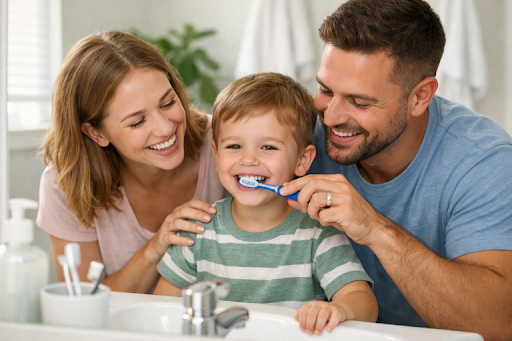
Healthy oral habits should begin as soon as the first baby tooth appears. Parents are encouraged to use a soft-bristle toothbrush and a small smear of fluoride toothpaste for their child. Scheduling the child’s first dental appointment by their first birthday allows a professional to monitor development and offer advice tailored to the child’s unique needs. This builds a foundation for a lifetime of strong dental routines.
Early dental visits also help children become familiar with the dentist’s office, reducing anxiety that may arise later. These visits offer parents the opportunity to ask questions about thumb-sucking, diet, and other topics that affect dental health. Encouraging a positive, consistent relationship with oral health professionals helps foster trust, so children are more likely to continue regular care through adulthood.
Consistent Oral Hygiene Practices
Brushing twice daily and flossing once a day are essential practices for military families, regardless of location or schedule. Incorporating these routines into the family’s daily habits reinforces their importance. Using fluoride toothpaste further strengthens tooth enamel and prevents cavities, while toothbrushes should be replaced every three months or after illness. Limiting sweetened snacks and drinks, such as juice boxes and soda, is important in lowering the risk of tooth decay and gum disease.
Developing a consistent dental routine at home equips children and adults alike to care for their teeth during travel or after moving. Even when routines are disrupted during deployments or relocations, keeping travel-sized dental kits on hand makes maintaining hygiene easier.
Overcoming Access Challenges
Each relocation can present new obstacles when trying to find an in-network dental provider and can reset relationships with established dentists. To ease these transitions, it is advisable to locate a new dental provider as soon as possible after moving. Making dental appointments one of the first tasks after arriving at a new location helps avoid lapses in preventive care.
The TRICARE Dental Program assists military families by providing flexible coverage that follows families to new duty stations. This program allows members to search for qualifying dentists in their current area, making transitions less stressful and helping keep care uninterrupted.
Utilizing Available Dental Programs
Staying enrolled in dental programs designed for military families offers continuous access to preventive and urgent care, even with frequent moves. The TRICARE Dental Program covers active-duty family members, National Guard and Reserve members, and their dependents. It is important for families to monitor their coverage, stay aware of premium changes, and understand the details of their benefits. Knowing which programs and providers are available ensures dental care is never put on hold, helping reduce the risk of expensive emergency treatments.
Families are encouraged to review the program’s updates and network providers regularly to maximize the services to which they are entitled. Staying connected to dental resources and professional care is vital for maintaining health year-round.
Educating the Family
Empowering each family member with knowledge regarding dental health increases the likelihood of developing consistent habits. Attending community dental health fairs, participating in educational workshops, and reading up on the latest oral health practices all contribute to family-wide success. Parents can reinforce these lessons at home by making dental care a fun, collaborative activity and celebrating healthy choices.
Many communities near military installations offer resources and events to support military families’ health needs. These events offer chances to connect with dental professionals, ask questions, and receive free screenings or consultations. Accessing these educational resources improves outcomes and helps families stay informed about best practices and new products.
Regular Dental Check-Ups
Scheduling and attending regular dental check-ups is one of the most effective ways to prevent oral health issues. Professional cleanings remove plaque that daily brushing and flossing can miss, while fluoride treatments can reduce the risk of cavities. These appointments also offer parents and children an opportunity to discuss specific concerns and receive personalized advice.
Dentists can identify problems such as misaligned bites, early signs of decay, or gum disease before they worsen, making treatments less invasive and more successful. Consistent dental visits foster ongoing communication between families and oral health professionals, building long-term trust and support.
Conclusion
For military families navigating frequent relocations and changing circumstances, prioritizing excellent dental habits safeguards overall health. Combining early intervention, reliable routines, ongoing education, and the use of available dental programs provides stability even during transition periods. Ultimately, these efforts enable families to optimize their oral health, reduce stress, and enjoy a better quality of life wherever they are stationed.