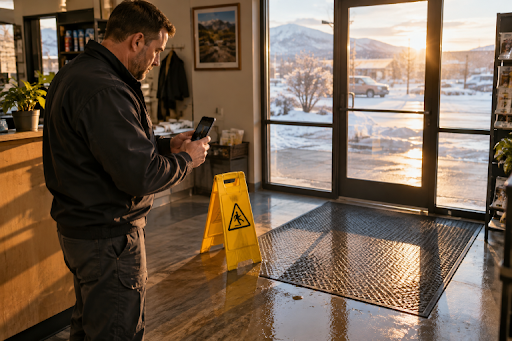
Utah small businesses operate in conditions that can change quickly, from snowy walkways and spring runoff to active construction sites, delivery traffic, and busy customer entrances. A written response plan helps owners handle an accident with care and consistency. Contractors evaluating general liability insurance for Utah contractors should also consider how their crews will respond when an incident occurs at a client’s property or job site. Liability concerns are not limited to large companies. A retail shop, restaurant, cleaning company, trade contractor, home-service provider, or office-based business can face a complaint after a customer injury, damaged property, or an alleged unsafe condition. Preparation cannot prevent every event, but it can help a Utah business protect people and preserve the facts.
1. Why Liability Claims Happen
Everyday operations create opportunities for accidents and disputes. A visitor may slip near an entrance after rain or melting snow. A technician may damage a client’s appliance while completing a repair. A loose display, falling tool, or unsecured fixture may injure someone. Claims can also arise from advertising disputes, property damage, or the actions of subcontractors and delivery partners working on-site. Utah businesses should assess risks based on their actual work rather than rely on a generic checklist. A contractor may need to focus on job-site access, tools, ladders, and subcontractor coordination. A storefront may need dependable cleaning records, entry mats, lighting checks, and a process for responding to weather-related hazards.
2. What to Do in the First Few Hours
A calm, people-first response is the best starting point. Do not delay emergency action while trying to collect photographs or statements.
- Address urgent needs. Call 911 when a person appears seriously injured or a dangerous condition requires emergency help.
- Control the hazard. Block access to wet flooring, broken glass, exposed wiring, unstable equipment, or any other immediate danger.
- Preserve the scene. Avoid moving items unless movement is necessary to prevent further harm or damage.
- Record basic facts. Note the date, time, location, names of people present, and observable conditions.
- Use the reporting chain. Notify the manager, owner, safety lead, or other designated internal contact.
- Review policy instructions. Provide notice to the appropriate insurer or claims contact when required.
3. How to Document the Incident
Good documentation records what was observed without deciding who caused the event. Gather photos or video of the area before cleanup or repair when it is safe to do so. Save security footage, witness contact information, maintenance logs, cleaning records, employee schedules, training records, invoices, repair estimates, and related messages. A useful report might state: “At 2:15 p.m., a visitor fell near the west entrance. The floor appeared wet. Staff placed warning signs in the area at 2:18 p.m.” This is more helpful than stating that the company caused the fall because it preserves observable facts rather than drawing conclusions before the matter is reviewed.
4. Who to Notify and When
Notification duties can depend on the event, a lease, a customer contract, the insurance policy, and applicable law. In the event of a serious injury, an active danger, a fire, or major property damage, emergency responders may be the first to be called. Business leadership should be informed when an event could affect operations, customers, employees, or reputation. For coverage questions, the Utah Insurance Department’s business insurance guidance reminds owners that businesses have different coverage needs depending on their size and operations. When a demand letter, lawsuit, subpoena, or formal notice arrives, preserve the document, follow the policy’s reporting instructions, and obtain appropriate legal guidance promptly.
5. Common Mistakes That Can Make Matters Worse
- Waiting days to report a potentially serious incident.
- Allowing camera footage or electronic records to be overwritten.
- Cleaning or repairing an area before documenting it, when safe documentation was possible.
- Arguing with an injured person, customer, or witness.
- Admitting fault, speculating about the cause, or promising to pay expenses.
- Posting incident details, images, or opinions on social media.
- Leaving employees uncertain about who may speak for the business.
6. How to Review Business Coverage
A coverage review should align with how the business operates today. Consider the services performed, work locations, customer traffic, vehicles, equipment, products, subcontractors, and contract requirements. A contractor expanding into a new service area may face different exposures than a business working only from a fixed location.
Questions to Ask During a Review
- What third-party injury or property damage risks are most realistic for this business?
- Do policy limits fit the company’s size, contracts, and operations?
- Are there exclusions tied to specific services, products, or job activities?
- How are temporary workers, vendors, and subcontractors handled?
- Are separate policies needed for vehicles, professional services, equipment, or property?
- Who is responsible for reporting a potential claim, and how quickly should it happen?
7. Ways to Reduce Repeat Incidents
Prevention works best when it is simple enough to repeat during a busy week. OSHA safety materials encourage employers to recognize hazards, evaluate them, and apply controls. For customer-facing Utah businesses, that can mean promptly addressing spills, keeping paths clear, using visible warning signs, and checking entry areas during changing weather.
- Schedule walkthroughs of customer, storage, and work areas.
- Use checklists for cleaning, maintenance, and equipment inspections.
- Train workers to report hazards and near-misses immediately.
- Keep warning signs and basic safety supplies easy to find.
- Track recurring concerns by location, task, time of day, or equipment.
- Update procedures after changes to the building, workforce, services, or technology.
8. Common Questions About Liability Claims
Does Every Accident Become a Claim?
No. Some incidents end after basic care and documentation. Others may result in an insurance investigation, demand, or lawsuit. Significant events should still be reported through the business’s established process.
Should a Business Apologize?
Employees can show concern and offer reasonable help without assigning blame. Avoid promises about medical bills, repairs, or responsibility until the facts and reporting obligations have been reviewed.
How Long Should Records Be Kept?
Retention periods can vary by record type, contract, industry, and the possibility of a dispute. Use a written retention process and preserve records connected to an active claim or legal matter.
Final Thoughts
For Utah small businesses, the strongest liability response is straightforward: protect people, control the hazard, preserve facts, report the event, and learn from what happened. Employees should know who to contact, where emergency supplies are located, and what steps to take when an incident involves a customer, worker, property damage, or an unsafe condition. Business owners should also document the date, time, location, people involved, visible conditions, and actions taken while the details are still fresh. Photos, maintenance records, inspection reports, witness information, and related communications may also help create a clearer record of the event. After the immediate issue is addressed, reviewing the causes of the incident can help identify changes to training, maintenance, signage, procedures, or workplace conditions. A current incident plan provides employees with practical guidance during stressful conditions and helps owners respond with greater confidence in 2026.