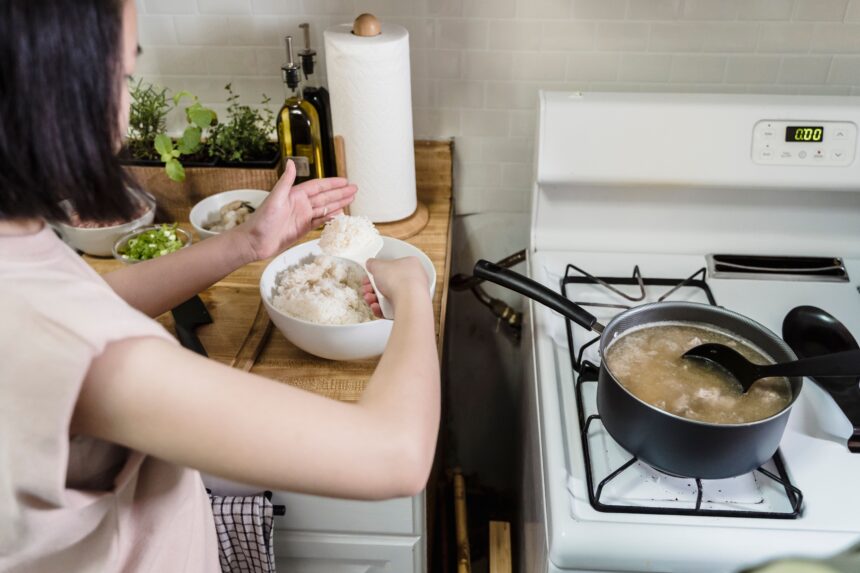
If white rice has ever come out gummy, crunchy, or somehow both at once, you’re in good company. It looks simple, but small details change everything. Across home kitchens everywhere, from tiny city apartments to big family setups, rice keeps showing up because it’s cheap, flexible, and reliable when you treat it right. Once you understand the method, you can make it fit weeknight dinners, meal prep, and last-minute comfort food without drama.
Start With the Right Rice, Pot, and Ratio
Good rice starts before the burner turns on. Pick your variety based on the meal. Long-grain white rice works well for stir-fries, bowls, and grilled meats. Jasmine adds aroma. Basmati stays light and fluffy. Short-grain fits dishes where a softer, stickier texture makes sense.
Your pot matters more than you might think. A medium saucepan with a tight-fitting lid gives you better steam control than a giant pot with lots of empty space. Thin pans can create hot spots, which means scorched bottoms and uneven texture.
Then there’s the ratio. Many standard white rice recipes land around 1 cup rice to 1 1/2 or 2 cups water depending on the type. If you want a solid walkthrough on how to make white rice, using a clear, measured stovetop method helps you avoid the guesswork that ruins consistency.
Why White Rice Feels Easy but Trips You Up
White rice has a reputation for being basic, almost boring. That’s exactly what makes it sneaky. Because it seems straightforward, you might eyeball the water, rush the timing, or keep lifting the lid like you’re checking on a suspicious group project.
The result can go sideways fast. Too much water leaves you with mush. Too little gives you hard centers and a pan that looks personally offended. Heat matters, pan size matters, and resting time matters more than most people expect.
You’re also dealing with different varieties. Long-grain stays more separate, while short-grain tends to cling together. Neither is wrong. Problems usually start when the method doesn’t match the rice. White rice rewards precision, but not in a stressful, culinary-school way. More like a “read the room and use a measuring cup” way.
Rinsing, Seasoning, and Other Small Choices That Matter
Rinsing rice can feel optional, but it changes texture in a noticeable way. A quick rinse removes excess surface starch, which helps grains stay more distinct instead of turning gluey. You don’t need a lab-grade process here. Swirl it in cool water a few times until the cloudiness drops.
Seasoning is another place where people either overdo it or ignore it completely. A pinch of salt in the cooking water can wake the rice up without making it taste salty. A little butter or oil can add richness and help with separation, especially if you want a polished, dinner-table texture.
You can also build flavor with broth, though that works best when the rest of the meal can handle the extra savory note. Plain white rice isn’t dull when it’s cooked well. It’s neutral in the useful sense, like a good white T-shirt, not like cafeteria wallpaper.
The Cooking Process You Shouldn’t Rush
Once your rice and water are in the pot, bring it to a boil first. After that, reduce the heat to low and cover it tightly. That low simmer is where the real work happens. Steam cooks the grains evenly, and trapped moisture finishes the job.
The big mistake is messing with it mid-cook. Don’t stir it. Don’t keep opening the lid. Every peek lets steam escape, and steam is doing the heavy lifting. If you interrupt that environment, you throw off the timing and texture.
When the cooking time ends, don’t serve it immediately. Let it rest, covered, for about 10 minutes. That pause allows moisture to settle through the rice so the top isn’t dry while the bottom is soggy. After resting, fluff it gently with a fork. Not a vigorous mash. You’re separating grains, not starting a construction project.
Common White Rice Mistakes and How You Can Fix Them
If your rice turns out mushy, the usual cause is too much water or too much heat for too long. Next time, measure carefully and keep the simmer low. If it’s already cooked and too wet, letting it sit uncovered for a minute or two can help excess steam escape.
If the rice is undercooked, add a few tablespoons of water, cover it again, and cook on very low heat for a few more minutes. Dry rice often just needs a little more steam, not a full restart.
Burned bottoms happen when the heat is too high or the pan is too thin. If this keeps happening, switch pots before blaming yourself. If the rice sticks together more than you want, rinse it first and fluff it after resting.
The pattern here is simple: most rice problems come from one of four issues.
– Wrong water ratio
– Heat that’s too high
– Lid lifted too often
– Skipping the resting time
How White Rice Fits Real Life Meals
White rice earns its place because it works with almost anything. You can pair it with roasted vegetables, curry, grilled chicken, fried eggs, beans, or leftovers that need a better landing spot than a random plate. It’s often the difference between “snack dinner” and a meal that feels complete.
It also helps with budgeting and meal prep. A batch of rice can stretch pricier proteins, turn soup into a fuller lunch, or save you from ordering takeout when the fridge looks bleak. That’s not glamorous, but it’s practical in the best way.
You can even repurpose it the next day. Cold rice is great for fried rice because drier grains hold up better in a hot pan. Freshly cooked rice is ideal for saucy meals where you want it to absorb flavor. Once you know how to cook it properly, white rice stops being an afterthought and starts acting like kitchen infrastructure.
The Best Way to Make It Consistent Every Single Time
Consistency comes from repeating a method instead of improvising every night. Measure the rice. Measure the water. Use the same pot when possible. Keep notes if you switch brands, because different rice types can behave like entirely different ingredients wearing the same outfit.
Pay attention to cues beyond the timer. Listen for a quiet simmer, not a roaring boil. Notice whether the lid traps steam well. Check texture only when the cook time is nearly done, not every few minutes because patience suddenly became difficult.
Once you dial in your method, white rice becomes one of the easiest things in your kitchen. Not because it was magically foolproof all along, but because you learned where the hidden variables were. That’s the useful part. Good rice doesn’t come from luck. It comes from a repeatable process that gives you one less thing to worry about at dinner.