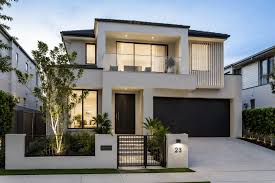
Exterior house painting is a great way to improve the appearance of a house, protect exterior surfaces and maintain the house in a great condition. Over time, paint can fade, peel, and crack due to the effects of the sun, rain, wind and temperature changes. Homeowners living in Chatswood West have to take proper care of the exterior of their property, in order to preserve its worth as well as to look great.
If you plan to repaint your home or are considering re-painting the exterior of your home you should be knowledgeable about the painting process so you can make suitable decisions. Skilled Exterior House Painters Chatswood West can ensure that the job is done right as well, using the appropriate materials, attention to detail, and preparation.
Exterior House Painting is essential for a variety of reasons.
Outside paint serves more than just to enhance the appearance of a house. Forms a protective barrier that helps to protect surfaces from exposure to their environments. If paint begins to wear, then the underlying materials can be more susceptible to moisture, surface damage and ordinary wear.
Exterior painting services come with a number of advantages for homes.
- Enhances street appeal:A new coat of paint can improve the appearance of the property being cleaner, brighter and better maintained. The colours also can be complemented with the architectural style of the home, making the overall appearance look better.
- Protects exterior surfaces:Exterior paint of good quality protects suitable surfaces from the weather. When used in conjunction with good preparation and maintenance work it can play a role in the overall condition of exterior walls, timber and other paintable material.
- Helps with property maintenance:Maintenance issues can arise early in the form of peeling paint, small cracks or some deterioration to finishes and will be identified before it turns into a bigger issue.
- Delivers even finish:When used professionally, it provides an even finish on exterior walls, trims and doors and other painted surfaces.
Following are the steps involved in the Exterior Painting Process:
Exterior painting jobs don’t just involve putting a fresh coat of paint on the walls. Each stage contributes to the durability, appearance and the end result quality.
1. Examine Exterior Surfaces
Existing exterior should be carefully examined prior to painting. Painters inspect the current paint to see if it has been damaged, if it has flaking paint, cracks in the paint and if there is any sign of moisture damage.
Several ways to clean surfaces. Each of the following categories of wall construction, such as rendered walls, brickwork, timber cladding and previously painted masonry may require specific products and techniques. Knowing what the requirements are at the outset sets up a suitable painting plan.
2. The surface must be cleaned and prepared for coating.
Surface should be cleaned & prepared for coating.
Surface preparation is one of the most important aspects of exterior painting. Any loose paint, dust or dirt will hinder good adhesion for fresh paint.
Preparation can include washing surfaces, scraping away loose paint, sanding rough surfaces and cleaning surface contaminants. Any type of cleaning should be appropriate for the material in order to prevent unnecessary damage.
Cracks, broken plaster or minor imperfections on the surface may also need repairs prior to painting. Prior to applying a new coating, if there are mold, dampness or water damage, the cause should be corrected.
3. Applying Primer
Primer creates an appropriate undercoat for the finishing coats. It can bond, make the surface more even and aid in preparing the surface to be repaired or previously painted.
The type of primer used will vary depending on the substrate, the condition of the existing coating and type of paint. Good finish achieved through uniformity of material in the painting system.
4. Applying Exterior Paint
If the surface needs to be coated with finishing coats, it should be prepared and primed appropriately when the time comes. In the case of painting, professional painters select the proper techniques based on the surface, characteristics of paint and finish.
Brushes and rollers can be used on a variety of residential surfaces in addition to spray (when feasible). Application, drying and recoating as per manufacturers’ instructions will also help to produce a professional by-product.
Choosing the Right Exterior Paint Colours
Colours are important and can make a huge difference in a property. The right mix should harmonize with the building, landscape and adjacent buildings.
Neutral colours such as warm white, beige and soft grey and muted cream are also in use – they are suitable for different architecture styles. Darker hues can be used to add contrast to the window frames, trims and doors, while earthy colors can complement natural materials and existing gardens.
Think about colour choices when taking into account natural light, as this will affect the colour’s appearance during the day before a final color decision is made. You can also experiment with the colours in a small section of the exterior prior to committing to a full scale-out.
Factors to take into account when determining the overall colour scheme are the color of the roof, brickwork, pathways and other permanent structures at the home. A coordinated color palette can help to make the exterior a balanced and attractive one.
Appropriate Paint for Specific Surfaces
Not every exterior surface is suitable to be painted with exterior paint. The type of paint used to paint the material will improve the tenacity, flexibility and weather resistant properties of the material.
Typically masonry walls and rendered walls are exposed to appropriate external masonry coatings and timber surfaces may require products which provide for movement and timber protection. For metal features, the preparation and coatings need to be compatible with the feature and need to help with the management of risks for corrosion.
Also take into account what the property requires from the paint, for example: exposure to sun, moisture, etc. The performance is reliant on adhering to the manufacturer’s recommendations.
Here are some typical exterior painting mistakes to stay away from:
There are a couple of things that can go wrong and create a substandard and/or short-lived exterior paint job.
- Not cleaning the surface:Painting over dirt, loose coatings or broken surfaces will result in peeling and uneven coating.
- Ignoring the moisture issues:These can result in coating failure and conceal the root cause of the moisture.
- Choosing the wrong paint:Wrong paints may not provide the durability or finish that is required.
- Weather conditions that are unsuitable to paint:High heat, rain, damp or windy conditions may impact application and drying. Weather condition should be kept in the range of the manufacturer’s specification of the paint.
- Not letting coat dry between coats:Each coat is applied to the coat after it has dried, otherwise the finish may not be as good.
These are the common mistakes to prevent from creating a consistent and reliable finished product.
When Should You Repaint Your Home’s Exterior?
Since there is no universal set of rules that can be given for properties that will be repainted, each property will be treated on an individual basis. This will vary based on the existing paint system, surface material, environmental exposure and paint application quality.
The following are indications that repainting might be needed: fading, peeling, cracking, blistering and showing underlying surfaces. If timber appears to be in a state of deterioration or if there have been long-term moisture problems, a detailed examination of the timber may be required prior to painting.
Make sure exterior walls, trims, doors and other painted surfaces are checked regularly for maintenance issues at an early stage. Don’t follow a schedule but use your judgment based on the state of the surfaces and if needed, consult a professional.
The benefits of the Expert Exterior Painters: precisely how they could be beneficial.
Exterior painting might require a lot of preparation, specific equipment and working at height and product selection. Professional painters know how to properly test various surfaces to determine the proper preparation and application of coatings based on the manufacturer’s recommendations.
A professional will be able to help in choosing color combinations, and will know which repairs are necessary to make before painting and will be able to schedule the job accordingly. This is particularly useful for larger properties or exterior designs which are more complex.
Research for painting companies according to experience, projects, scope of work and materials. A written quotation should include a description of the surfaces to be painted, preparation requirements, paint system to be used and the project stages you expect. The owners of the building should also ensure that there is insurance and safe working practices with respect to the building.
Cyber-curated by Panther Painter waySydney, we’re here to put you in your head to paint the exterior of your home or business. They paint, refinish cabinets, repair plaster and interior/exterior painting services. Discuss your property with the painting company professionals when you are considering your property’s situation and requirements can help you to arrange a proper plan for your painting project.
Final Thoughts
Exterior house painting is a crucial aspect of upkeep that plays a vital role in the appearance and protection of appropriate surfaces against regular exposure. Careful inspection, thorough preparation, a proper paint choice and proper application all play a part in obtaining a durable, attractive finish.
With the right planning, Chatswood West homeowners can minimize the potential problems that can arise during painting and improve the end result. When considering painting your external walls or repainting your home, it may be prudent to get the tips of House Painting Experts in Chatswood West residents.