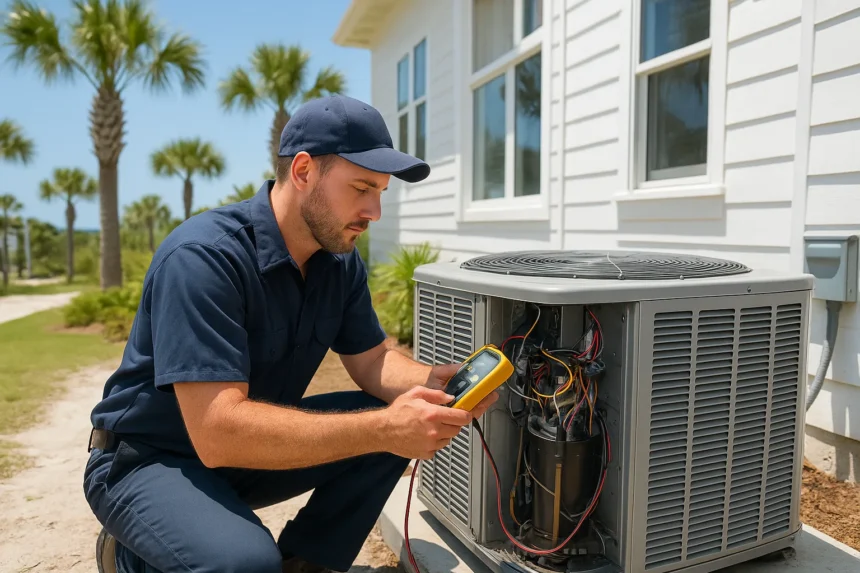
Living by the coast comes with year-round breezes, salt air, and mild temperatures but those same conditions can be tough on heating and cooling systems. If you own a home in a beachside community such as Oceanside, understanding how the local climate affects equipment, installation choices, and upkeep can help you stay comfortable while avoiding preventable repairs. This guide explains what coastal homeowners should know about system selection, placement, maintenance, and energy use so your HVAC runs reliably through marine layers, warm afternoons, and cool nights.
Because coastal climates bring unique wear and tear, many homeowners turn to local expertise when planning upgrades or service. If you’re comparing options and looking for regional insight, you can explore providers that emphasize Trusted HVAC services in Oceanside, then evaluate how their recommendations align with the considerations below.
Why Salt Air and Marine Layers Change HVAC Needs
Salt-laden air accelerates corrosion on outdoor components, especially condenser coils, fan guards, and fasteners. Even light salt mist can build up over time, restricting airflow and reducing heat transfer efficiency. Morning marine layers and afternoon sun also create daily temperature swings, which can trigger frequent cycling if your system isn’t sized and controlled properly. Add seasonal humidity spikes, and you have a recipe for sticky indoor air unless your system is designed for dehumidification as well as temperature control.
These environmental factors mean coastal homeowners benefit from equipment with protective coatings, smarter airflow management, and controls that modulate output rather than simply toggling on and off. Thoughtful placement and routine rinsing can further slow the effects of corrosion and salt buildup.
Picking Systems and Features That Handle the Coast
Heat pumps are popular in mild coastal regions because they both heat and cool efficiently without burning fuel on-site. When choosing any outdoor unit, look for models that offer corrosion-resistant coil coatings, stainless or composite hardware, and protective cabinet finishes. Variable-speed or two-stage compressors can smooth out comfort during marine-layer mornings and sunny afternoons by matching output to the actual load, reducing short cycling and helping with dehumidification.
For indoor comfort, prioritize systems with effective humidity control and multi-speed blowers. A thermostat with dehumidify modes or a system that can slow the blower to increase moisture removal can make rooms feel cooler at higher setpoints, cutting energy use. If asthma or allergies are a concern, consider upgraded filtration or a dedicated whole-home dehumidifier, especially during damp seasons when windows stay closed and humidity lingers.
Smart Placement and Installation Near the Ocean
Where your outdoor unit sits matters; position equipment away from constant onshore winds and direct salt spray if possible often the leeward side of the home works best. Maintain ample clearance around the unit to ensure airflow and make cleaning easy. Install on a sturdy, level, corrosion-resistant pad or stand to keep components above pooling water and wind-driven debris. In tight yards, avoid enclosing the unit with solid fencing that could trap salt mist and reduce ventilation; slatted barriers or wind baffles that preserve airflow can be a better choice.
Ask your installer about fasteners, line-set protection, and drain routing appropriate for marine environments. UV-resistant insulation on refrigerant lines, sealed wall penetrations, and properly sloped condensate drains help prevent leaks, mold, and premature degradation. In multi-story homes, verify that condensate safety switches and secondary drains are in place to guard against water damage during foggy, high-humidity stretches.
Coastal Maintenance Checklist You Can Actually Follow
Regular attention is the best defense against salt and moisture. During high-salt or windy periods, gently rinse the outdoor unit’s coil with fresh water to remove deposits no pressure washers or harsh chemicals, which can bend fins or strip protective coatings. Replace or wash filters on the recommended schedule, or more often during dusty, windy months. Keep vegetation trimmed back at least a couple of feet from outdoor equipment, and clear leaves or sand that collect around the base.
Plan professional tune-ups before peak seasons. A spring visit can catch airflow and refrigerant issues before warm weather, while a fall check addresses heating performance and condensation concerns. Ask the technician to inspect coil coatings, test capacitors and contactors (which can corrode faster near the coast), clean the condensate line, and verify blower speeds for both comfort and moisture control. Address minor corrosion early with approved protective sprays to extend component life.
Energy and Indoor Air Tips for Marine Climates
Comfort near the coast isn’t only about temperature. On damp days, target indoor humidity in a comfortable mid-range; your system may cool more efficiently when excess moisture is under control. Use smart thermostats to manage setbacks around your schedule without large temperature swings that cause short cycling. Seal and insulate ducts especially those in attics or crawl spaces to keep salty air and moisture out while delivering conditioned air efficiently.
Weatherstripping, attic insulation, and tight attic hatches reduce load and deter moist outdoor air from creeping in. For homes that enjoy evening breezes, consider a balanced approach: mechanical ventilation or energy recovery systems can exchange air while mitigating moisture transfer. When outdoor air feels muggy, rely on your HVAC’s dehumidification rather than opening windows to avoid bringing in salt and moisture that can settle on coils and electronics.
When to Call a Pro and What Good Service Looks Like
Unusual noises, tripped breakers, frequent cycling, warm air during cooling, or poor dehumidification are all signs to schedule service. In coastal zones, also watch for visible corrosion, white salt residue on coils, and persistent drainage issues. A quality technician will perform load calculations for replacements (not just swap like-for-like), verify airflow and static pressure, confirm refrigerant charge with proper measurements, inspect and clean coils safely, and review thermostat settings that balance temperature and humidity. They’ll also discuss placement, protective accessories, and maintenance intervals tailored to your proximity to the ocean and typical wind patterns.
Coastal living can be comfortable and efficient with the right setup and a little extra care. By selecting corrosion-resistant equipment, placing it thoughtfully, staying ahead of salt and moisture with routine maintenance, and tuning controls for humidity as well as temperature, you can keep your home feeling great through foggy mornings and sunny afternoons. When in doubt, seek local insight and ask detailed questions about coatings, airflow, drainage, and dehumidification to ensure your system is built and maintained for life by the sea.