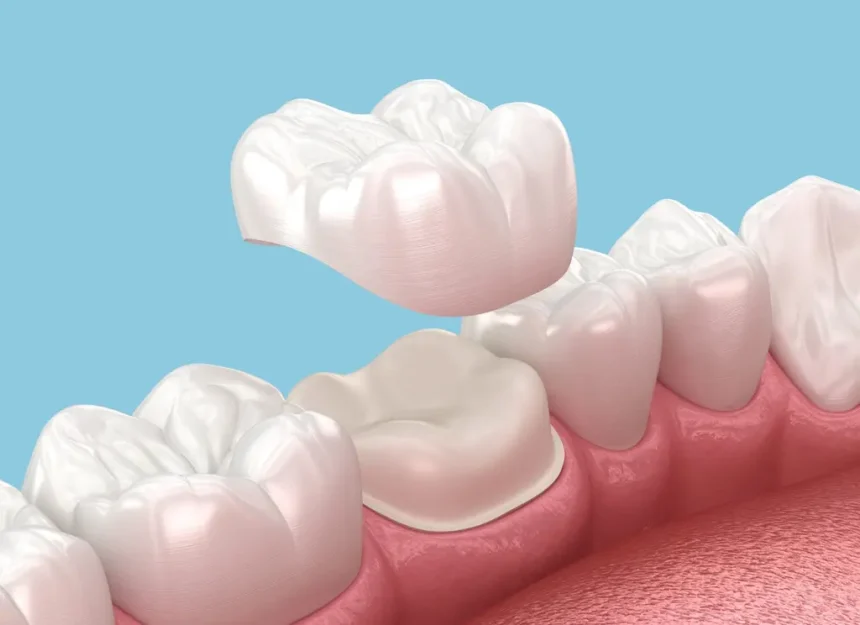
Hearing that you need a dental crown can prompt a lot of questions: Why this treatment and not a filling? What will the appointment feel like? How do different crown materials compare? Understanding the purpose, process, and aftercare helps you make confident decisions and arrive prepared. This guide explains when crowns are typically recommended, how materials differ, what happens at each stage of the procedure, and how to care for your restored tooth so it lasts.
When a Crown Is Recommended (and When It’s Not)
Dentists usually recommend a crown when a tooth needs full-coverage protection that a filling or inlay can’t provide. Common reasons include a cracked or severely worn tooth, a cavity that involves a large portion of the tooth, or a tooth that has had root canal therapy and now needs reinforcement. Crowns can also restore shape and function after a break, cover a discolored or misshapen tooth for cosmetic reasons, and serve as the visible portion of a dental implant.
Patients exploring Custom Dental Crowns in Abbotsford often weigh crowns against alternatives. In some cases, a conservative onlay, a veneer, or orthodontic adjustment may solve the issue without full coverage. Conversely, if a tooth is too compromised to support a crown, an extraction followed by an implant or bridge may be discussed. The right path depends on tooth structure, bite forces, gum health, and long‑term prognosis topics worth reviewing with your dentist before you commit.
Comparing Crown Materials and Trade-Offs
Today’s crowns come in several materials, each with strengths and trade-offs. All-ceramic options (such as zirconia or lithium disilicate) are popular for their tooth-like appearance and metal-free composition. Zirconia offers high strength and can be a good choice for back teeth that handle heavy chewing forces. At the same time, lithium disilicate often excels in front teeth where translucency and esthetics matter most.
Porcelain-fused-to-metal (PFM) crowns have a metal substructure with tooth-colored porcelain layered on top. They’ve been used for decades and can be durable, though the porcelain layer can chip under extreme forces and, in some cases, a dark line may appear near the gum over time. Full-cast metal crowns (such as gold alloys) remain a strong, long-wearing option for molars, especially for people with heavy clenching or grinding; their main drawback is esthetics. Ask your dentist how your bite, clenching habits, gumline position, and smile goals affect material choice.
The Appointment Timeline: From Preparation to Final Placement
Most crown treatments take one or two visits, depending on whether your dentist uses a dental laboratory or in-office CAD/CAM technology. In a traditional two-visit approach, the first appointment includes numbing the tooth, removing decay or old restorations, shaping the tooth for crown clearance, and taking an impression or digital scan. A shade match is recorded for esthetics. You’ll typically leave with a temporary crown to protect the prepared tooth while the final crown is made.
Between visits, a lab fabricates the custom crown based on the model or scan. At the second appointment, your dentist tries in the new crown, checks contacts with neighboring teeth, verifies the bite, confirms fit at the margins, and evaluates color. After any fine adjustments, the crown is cemented or bonded in place. Some offices offer same-day crowns using digital design and milling; even with this technology, expect time for design, milling, and finishing, followed by bite checks before final bonding.
Comfort, Bite, and Sensitivity: What’s Normal
Mild soreness of the gums and some temperature sensitivity can be normal for a few days after preparation or final cementation. Over-the-counter pain relief, as recommended by your dentist, and warm salt-water rinses can help. If your temporary crown comes off, contact the office temporaries protect the tooth and keep neighboring teeth from shifting, which helps ensure the final crown fits properly.
After the final crown is placed, pay attention to your bite as you eat on both sides of your mouth. If anything feels high, sharp, or off after the anesthetic wears off, call your dentist for a quick adjustment. A precise bite reduces chipping risk, prevents jaw soreness, and helps your crown and natural teeth share forces evenly. People who clench or grind at night often benefit from a custom night guard to protect both the new crown and other teeth.
Care and Longevity: Daily Habits That Make a Difference
Crowns don’t decay, but the tooth underneath can especially at the margin where the crown meets the tooth. That’s why consistent brushing with a fluoride toothpaste and thorough flossing (or use of interdental brushes or water flossers) matter. Angle floss slightly under the crown margin and glide gently to avoid snapping. If your crown is on a dental implant, your dentist may recommend specialized floss or threaders to keep the area clean.
Diet and habits influence longevity, too. Limit frequent snacking on sugary or acidic foods, and avoid using teeth to open packages. If you regularly chew ice or hard candies, consider safer substitutes. Keep regular dental checkups for professional cleanings and to monitor the crown’s margins, your bite, and the health of the surrounding gums. With attentive care, many crowns offer reliable function for years; your individual timeline depends on material, oral hygiene, bite forces, and routine maintenance.
Questions to Ask Before You Start
Good decisions come from good information. Consider asking your dentist: What specific problem is the crown solving, and are there conservative alternatives? Which material do you recommend for this tooth, and why? Will this be a one-visit or two-visit process? How will you match the color to my neighboring teeth? What should I expect in terms of sensitivity and recovery? If I clench or grind, how will we protect the new crown? What maintenance steps are most important for my situation?
Clear answers help set expectations, reduce anxiety, and keep your treatment aligned with your goals. Whether your priority is durability for a back molar, a natural look in the smile zone, or preventing future cracks, an open conversation with your dentist will guide you to a crown plan that fits. Arriving informed and following through with aftercare goes a long way toward a comfortable procedure and a long-lasting result.