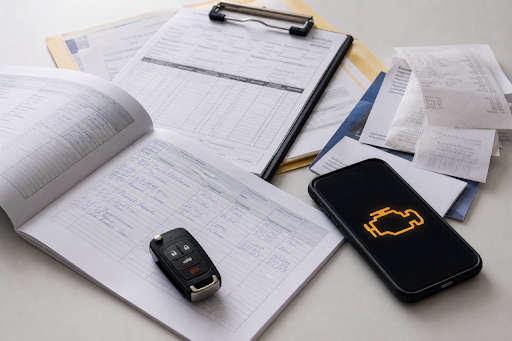
A vehicle problem can be frustrating when it happens once. When the same warning light, loss of power, unusual vibration, or starting problem returns after repair visits, it is time to become more organized. Owners researching Chevrolet Colorado known issues, or recurring concerns with any other model, should focus first on the facts: what happened, when it happened, what the repair shop found, and whether the repair actually fixed the concern.
A repeated problem does not automatically mean a vehicle has a manufacturing defect or that a legal claim exists. Some issues are difficult to reproduce, and different symptoms can have similar causes. Still, a clear record can help an owner communicate effectively, make safer decisions, and avoid relying on memory when discussing the vehicle with a dealer, manufacturer, mechanic, or regulator.
Why Repeated Vehicle Problems Need A Careful Plan
One repair does not always signal a larger concern. Tires wear out, batteries fail, and sensors can occasionally malfunction. The situation changes when the same issue recurs after repairs or when the vehicle repeatedly behaves in ways that affect safety, reliability, work schedules, or household transportation.
For example, a dashboard warning may appear, a service center may perform a software update, and the warning may return two weeks later. The most useful next step is not guessing at the cause. It documents the repeat event, preserves the first repair order, and asks the service department to compare the new visit with the earlier diagnosis.
Start With A Basic Vehicle Problem Log
Create one running record for the vehicle rather than leaving details scattered across text messages, calendar entries, receipts, and emails. A notes app, spreadsheet, or paper folder can work well if it is updated promptly after each incident.
- Date and approximate time the problem occurred
- Current mileage
- Road, traffic, weather, and driving conditions
- Warning lights, alerts, sounds, smells, vibrations, or performance changes
- Whether the vehicle stalled, lost power, overheated, or became difficult to control
- Who was contacted, including the dealer, roadside service, manufacturer, or repair shop
- What response, diagnosis, or appointment information was provided
Separate Recalls From Other Repair Notices
A safety recall addresses a defined safety or compliance issue affecting a group of vehicles. It is not the same as every repair concern that might arise with that model. A technical service bulletin may provide technicians with diagnostic or repair guidance, but it is not automatically a recall. Likewise, warranty coverage may pay for a repair without establishing that the issue is recall-related.
Open recalls deserve prompt attention, especially for used vehicles that may have had several owners. Guidance about open recall risks in used vehicles reinforces why drivers should not assume older vehicles have already received all available safety repairs.
How To Check For Current Recall Information
- Locate the 17-character vehicle identification number, commonly found near the base of the windshield on the driver’s side or on registration documents.
- Use the federal recall database to check the VIN for open safety recalls.
- Read the recall description closely, including any instructions to avoid driving, park outdoors, or arrange towing.
- Contact an authorized service center to confirm that the remedy and necessary parts are available.
- Request written confirmation showing the recall repair was completed and retain it with other service records.
What To Request During Every Repair Visit
Before leaving a dealer or repair facility, ask for a complete copy of the repair order. A statement such as “checked vehicle” or “could not duplicate concern” may be incomplete without the underlying details. Review the document while the visit is still fresh and ask for corrections if the written complaint does not match what you reported.
- Your exact complaint and the mileage at check-in
- Diagnostic codes, test results, and inspection findings
- Parts repaired, adjusted, replaced, or inspected
- Whether the original symptom occurred during testing
- The technician’s conclusion and any recommended follow-up work
- The mileage and date when the vehicle was returned to you
Use Photos, Videos, And Other Evidence Wisely
Photos can preserve dashboard messages, fluid leaks, visible damage, and odometer readings. Short videos can be useful for intermittent noises, vibrations, or unusual behavior when recorded safely from a parked vehicle or by a passenger. Keep original files when possible, since they may retain useful data information.
Also save towing bills, rental receipts, roadside-assistance records, missed-work notices, and emails about appointments. Do not record while driving, stand near moving traffic, or continue testing a vehicle that may be unsafe.
Build A Simple Repair Timeline
Turn your documents into a short, neutral sequence of events. The purpose is to make the pattern understandable without exaggeration or speculation. For each event, list the date, mileage, problem, action taken, and result.
- March 4, 2026, 18,240 miles: A warning message appeared. Vehicle taken to the service center. Software update performed.
- March 18, 2026, 18,510 miles: Same warning returned. Second inspection requested. Cause not confirmed.
- March 21, 2026, 18,560 miles: Owner sent repair orders and a photo of the warning message to the manufacturer’s customer care.
When A Vehicle May Be Unsafe To Drive
Some symptoms require immediate caution. Pull over safely and arrange help if the vehicle loses steering or braking, produces smoke, smells strongly of fuel, overheats, loses power in traffic, or becomes difficult to control. A dashboard warning alone may not indicate the severity of the issue, so follow any “do not drive” or “park outside” instructions associated with a recall or service notice.
How To Communicate With A Dealer Or Manufacturer
Prepare a short summary before calling or sending an email. State the current problem, the repair history, the dates, mileage, and repair-order numbers. Ask what action will be taken, when it will happen, and whether the response can be provided in writing. Keep a log of each call, email, appointment, and promised follow-up.
What To Do When A Repair Does Not Solve The Problem
Return to the service center and explain precisely what occurred after the repair. Bring prior repair orders and new photos or videos. Ask whether the original diagnosis was confirmed, whether it has changed, and whether another technician or location should inspect the vehicle. If the cause remains uncertain, an independent inspection may offer another perspective. Do not approve unrelated work until its purpose, estimated cost, and connection to the reported concern are clear.
Common Recordkeeping Mistakes To Avoid
- Relying only on phone conversations and verbal promises
- Discarding repair orders, receipts, and towing documentation
- Waiting too long to write down important details
- Using vague descriptions instead of specific symptoms and conditions
- Assuming every similar symptom is covered by a recall
- Continuing to drive after a serious safety warning
Questions Readers May Ask
Does A Recall Prove That My Specific Vehicle Is Defective?
No. A recall identifies a defined issue in covered vehicles. A separate symptom may require its own diagnosis, repair history, and supporting documentation.
Can Repair Orders Help Show A Pattern?
Yes. They can show when a problem was reported, what testing was conducted, what work was performed, and whether the same concern recurred. Their value is strongest when they accurately describe the owner’s complaint.
What If The Dealer Will Not Give A Clear Answer?
Ask for the reported concern and the final diagnosis in writing, then contact the manufacturer’s customer care department with the complete timeline. Basic recall and repair-record guidance can also help owners understand why VIN checks and retained receipts matter.
Conclusion: Keep The Record Clear And Act Early
Repeated vehicle problems are easier to address when the facts are organized. A dated log, complete repair orders, clear media, and prompt safety decisions can reduce confusion and make each next conversation more productive. The goal is not to assume the worst. It is to create a reliable record and take the next reasonable step when a vehicle does not perform as expected.