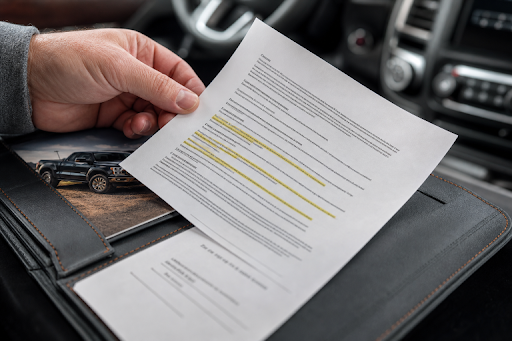
Buying a pickup in Texas often means buying a vehicle that can handle more than just a daily commute. Whether it spends its time on I-35, rural county roads, oilfield routes, ranch property, or weekend towing trips, the truck’s intended workload should shape every coverage decision. Before signing, compare the factory warranty, seller promises, and any optional truck warranty Texas coverage against the way the vehicle will actually be used.
High temperatures, long distances between towns, heavy trailers, and regular hauling can place added demands on cooling systems, transmissions, brakes, tires, and suspension components. A lower-mileage truck is not automatically a lower-risk truck if it has already spent years pulling equipment or carrying heavy loads. Likewise, a higher-mileage pickup with complete maintenance records may be a better choice than one with an unclear history.
Why Pickup Coverage Needs a Closer Look
Pickups regularly serve several jobs at once. One may commute during the week, tow a boat to the coast, haul feed on weekends, and carry tools every day. Those roles affect wear patterns and repair exposure. The best coverage choice is not based only on make, model, trim level, or odometer reading. It should reflect the truck’s condition, service history, expected ownership period, and planned workload.
Warranty vs. Service Contract
A factory warranty is generally included with a new vehicle and applies for the stated duration and mileage limits. A dealer warranty is protection offered by the selling dealer. A service contract is an optional agreement that may pay for specified repairs or services. Certified pre-owned coverage can add another layer, but its terms vary by manufacturer and vehicle program. The differences between auto warranties and service contracts are important because the written agreement, rather than the salesperson’s description, controls what happens when a repair is needed.
Check Existing Coverage First
Do not pay for additional protection until you know what remains. Ask for the original warranty booklet, confirm the in-service date using the vehicle identification number, and compare remaining months and miles. Look separately at powertrain, corrosion, emissions, roadside assistance, hybrid battery, and accessory coverage. Also, ask whether protection transfers to a later owner and whether previous modifications could affect a claim.
Review Covered Systems and Exclusions
Move Beyond Broad Coverage Labels
Terms such as “comprehensive” and “major component” can sound reassuring without identifying every covered part. Review the contract’s component list for the engine, transmission, transfer case, differentials, four-wheel-drive equipment, fuel system, cooling system, electrical components, air conditioning, steering, suspension, brakes, cameras, sensors, and infotainment equipment.
Then read the exclusions closely. Common exclusions include routine maintenance, brake pads, clutches, belts, hoses, wiper parts, cosmetic wear, pre-existing conditions, accident damage, flood damage, and failures resulting from improper repairs or alterations. A contract may cover a failed part while excluding diagnosis, fluids, seals, programming, teardown labor, or other non-covered components required to complete the repair.
Consider Texas-Specific Truck Use
Texas conditions make use restrictions especially important. Confirm how the agreement treats frequent towing, loaded trailers, commercial driving, snowplows, construction equipment, fifth-wheel setups, off-road travel, lift kits, suspension changes, engine tuning, and aftermarket electronics. Regular heat exposure also makes proper cooling-system service particularly valuable.
A truck used for light commuting may suit a basic plan. A pickup that routinely pulls a loaded livestock trailer, work trailer, RV, or equipment trailer deserves closer review of towing limits, required maintenance, and claim exclusions. Before purchase, use the VIN to check for unrepaired safety recalls so that a known safety issue is not mistaken for a future covered repair.
Compare Total Cost and Terms
Compare the total financial picture, not the monthly payment. Consider the purchase price, interest if it is financed, deductible per visit, labor-rate caps, parts restrictions, diagnostic charges, towing benefits, rental reimbursement, cancellation rules, and transfer fees.
A useful formula is: total contract cost equals purchase price plus financing cost plus likely deductibles, minus realistic covered benefits. A low-priced plan may have narrow coverage, while an expensive plan may not make financial sense for a well-maintained truck that will be sold soon.
Questions to Ask Before Signing
- Who approves repairs and who administers claims?
- Must the repair facility get authorization before diagnosis or repairs begin?
- Can you use any licensed shop in Texas, or only designated facilities?
- Are labor rates, towing, rental costs, and replacement parts limited?
- Does the agreement allow commercial use, towing, hauling, or modifications?
- What records must be kept, and what happens if a claim is denied?
How to Protect a Future Claim
Keep the signed agreement, warranty booklet, inspection report, repair orders, emails, and claim numbers together. Save receipts for oil changes, fluid services, tire rotations, inspections, and major repairs. Use manufacturer-recommended fluids and parts, report warning lights promptly, and request written authorization before approving work that may be covered. Review the final invoice before leaving the shop.
Common Questions
Is an extended warranty the same as a service contract?
Not necessarily. Sellers may use the terms casually, but the written contract determines coverage, exclusions, duration, and claims procedures.
Do modifications cancel all coverage?
Not automatically. However, a provider may deny a claim involving damage connected to a modification, tuning change, aftermarket component, or poor installation.
Is mileage or maintenance history more important?
Both matter. Mileage indicates accumulated use, while records show whether the truck received the service required for that use.
Final Checklist
- Read the full contract, not just the summary.
- Confirm remaining factory coverage before adding protection.
- Check towing, hauling, business-use, and modification rules.
- Review deductibles, labor limits, repair locations, cancellation, and transfer terms.
- Get every promise in writing and keep maintenance records from day one.
A smart coverage decision begins with the truck’s real job in Texas. By comparing existing protection, planned use, exclusions, and total cost before signing, buyers can choose coverage with fewer surprises when the truck is needed most.